International Day of the Girl Child: 10 Lines & Essay
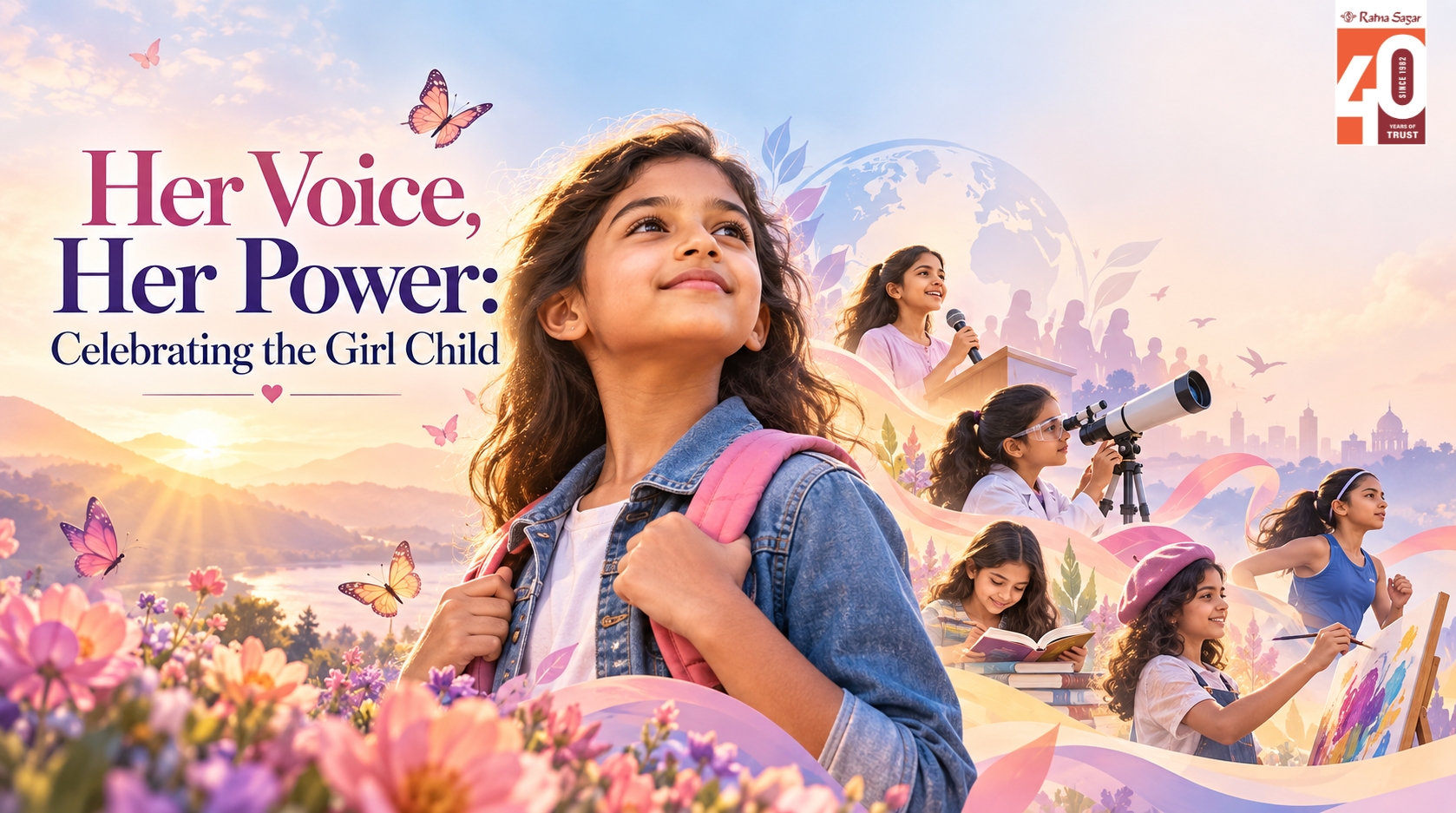
Her Voice, Her Power: Celebrating the Girl Child
Somewhere in India today, a girl is solving a maths problem, scoring a goal, or asking a question that changes how her class thinks. Somewhere else, a girl of the same age is being told to stay home, stay quiet, or give up her dreams. Both stories are real, and the gap between them is why we mark the International Day of the Girl Child every year.
This blog looks at the history of the day, the challenges girls still face, and the practical ways each of us can help every girl find her voice.
What Is the International Day of the Girl Child?
The International Day of the Girl Child is observed on 11 October. The United Nations General Assembly adopted a resolution in December 2011 to declare the day, and it was first observed in 2012. The idea gained momentum through the advocacy of organisations such as Plan International, whose "Because I Am a Girl" campaign drew global attention to the rights of girls.
The day has a clear purpose: to highlight the challenges girls face and to promote their rights to education, health, safety, and equal opportunity. Each year, the UN and partner organisations focus on a specific theme, from digital access to leadership, so that attention goes where it is most needed.
India also has its own occasion. National Girl Child Day is observed on 24 January, and it centres on the status and welfare of girls within the country.
Why Do We Need a Day for Girls?
Progress for girls has been real. More girls attend school today than a generation ago, and women now lead in science, sport, business, politics, and the arts. But progress has been uneven, and many barriers remain:
Access to education: In some families and communities, a girl's schooling is still cut short because of poverty, distance from school, or the belief that education matters less for daughters.
Child marriage: Although the legal age of marriage for girls in India is 18, early marriage still occurs in parts of the country and can end a girl's education and affect her health.
Health and nutrition: Girls may receive less attention to their nutrition and healthcare, which affects their growth and future well-being.
Safety: Harassment and violence, in public spaces and online, limit girls' freedom to move, study, and speak.
Bias and stereotypes: Ideas about what girls "should" or "should not" do, whether about subjects, careers, or sports, quietly narrow their choices.
Naming these problems is the first step. A special day gives families, schools, and governments a reason to pause and ask: what more can we do?
10 Lines and a Short Essay on International Day of the Girl Child
Students and teachers often look for 10 lines and a short essay on International Day of the Girl Child for speeches, assembly talks, and school assignments. Here is a ready reference.
10 Lines on International Day of the Girl Child
The International Day of the Girl Child is observed every year on 11 October.
It was declared by the United Nations General Assembly in 2011.
The day was first observed in 2012.
Its aim is to promote girls' rights and highlight the challenges they face.
It focuses on education, health, safety, and equal opportunity.
Every year, a special theme guides the campaigns and events.
India also observes National Girl Child Day on 24 January.
Schools mark the day with speeches, posters, debates, and awareness drives.
Educating a girl benefits her family, community, and country.
The day reminds us that when girls are empowered, society moves forward.
Short Essay on International Day of the Girl Child
The International Day of the Girl Child, observed on 11 October, celebrates girls and reminds the world of their rights. Declared by the United Nations in 2011, it draws attention to problems such as unequal access to education, early marriage, poor health care, and lack of safety. Girls are not just future citizens; they are learners, thinkers, and leaders today. When a girl is educated, she makes better choices for herself, and her whole family and community benefit. On this day, schools and organisations hold talks, rallies, and creative events to spread awareness. The best way to honour the day is to treat girls with equal respect and to give them the freedom to dream and achieve.
Girls Who Show What Is Possible
History and everyday life offer countless examples of girls and women who pushed past limits. Malala Yousafzai stood up for girls' education and became the youngest Nobel Peace Prize laureate in 2014. In India, athletes such as P V Sindhu and Mary Kom, scientists who led missions at ISRO, and countless teachers, doctors, and entrepreneurs prove what girls can achieve when given the chance. Writers and poets such as Mahadevi Verma also challenged the limits placed on women of their time.
Equally important are the girls who never make headlines: the first in her family to finish school, the student who tops her class in a small town, the young girl who organises a clean-up in her neighbourhood. Their courage matters just as much.
Steps India Has Taken
Several laws and schemes aim to support girls. The Right to Education Act, 2009 guarantees free and compulsory education for children aged 6 to 14. The Beti Bachao Beti Padhao campaign, launched in 2015, promotes the protection and education of girls. The Sukanya Samriddhi Yojana is a savings scheme that helps families plan for a daughter's education and future. The Prohibition of Child Marriage Act, 2006 protects girls from early marriage.
Policies help, but change also depends on attitudes at home and in the community.
How Each of Us Can Make a Difference
You do not need a title or a platform to support a girl's growth. Small actions add up:
At home: Share responsibilities equally between sons and daughters, and encourage girls to speak up and share opinions.
At school: Encourage girls to take part in sports, science, and leadership roles, and challenge remarks that limit them.
Among friends: Stand up against teasing, body-shaming, or comments that put girls down.
In the community: Support girls' education by sharing books, mentoring, or helping families understand its value.
Online: Report harassment and speak respectfully, so digital spaces feel safe for everyone.
Conclusion
Celebrating the girl child is not about a single day of speeches. It is about building a world where every girl can go to school, stay healthy, feel safe, and choose her own path. When we listen to her voice, we discover her power, and that power strengthens families, communities, and the nation.
This 11 October, let us go beyond posters and pledges. Ask a girl what she dreams of, and then help her get there.
Looking for more? Explore special days, essays, and 10-line write-ups on the Ratna Sagar Blog.
Recent Posts
International Day of the Girl Child: 10 Lines & Essay
09/10/2026
R K Narayan Birth Anniversary: Malgudi, Books & Legacy
06/10/2026
Gandhi Jayanti: Truth, Non-Violence and Its Relevance Today
01/10/2026
Earth and Its Shapes: Facts for Kids | Classes 2–4
24/09/2026
International Sign Language Day: 10 Lines & Short Essay
18/09/2026
Engineer's Day: 10 Lines, Short Essay & Facts About Sir M. Visvesvaraya
14/09/2026