Children's Day 2026: Importance, History & Fun Activities
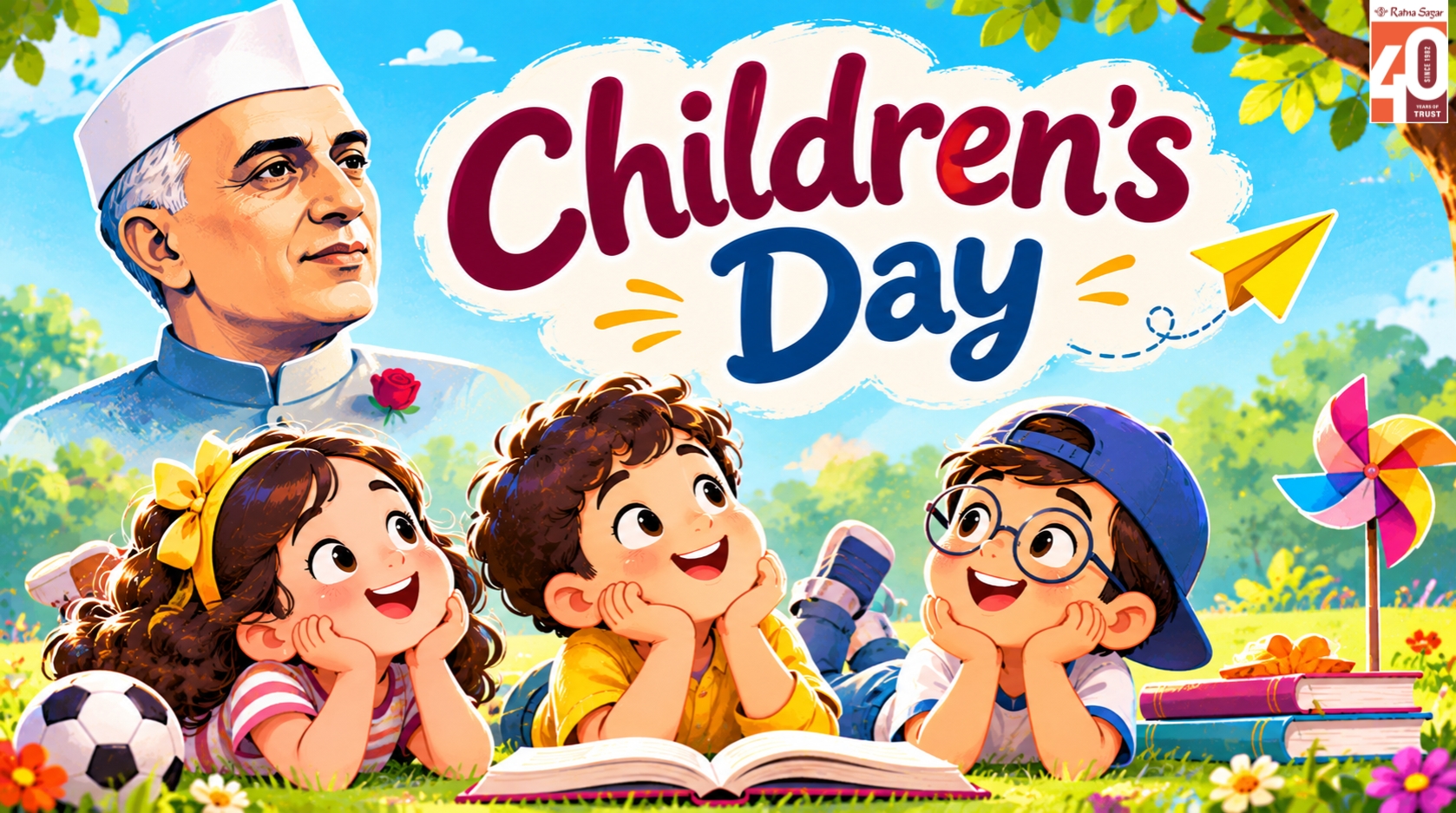
Children's Day: Celebrating Childhood, Joy and Learning
Childhood is a wonderful journey filled with laughter, curiosity, imagination and countless discoveries. Every new experience brings an opportunity to learn, grow and dream. From making new friends to reading exciting stories, childhood is a time when beautiful memories are created.
Children's Day in India is celebrated every year on 14 November to honour children and recognise their importance in shaping the future of our country. It is a special occasion dedicated to celebrating the happiness, creativity, dreams and achievements of young minds.
But have you ever wondered why we celebrate Children's Day on 14 November? Let's explore the history, significance and importance of this special day.
Why Is Children's Day Celebrated on 14 November?
Children's Day, also known as Bal Diwas, is celebrated on 14 November, the birth anniversary of Pandit Jawaharlal Nehru, India's first Prime Minister.
Born on 14 November 1889 in Allahabad (now Prayagraj), Jawaharlal Nehru played an important role in India's struggle for independence. After India gained independence in 1947, he became the country's first Prime Minister.
Nehru was deeply interested in children's education, development and well-being. He believed that children needed proper care, encouragement and opportunities to grow into responsible citizens.
Because of his affection for children, he became popularly known as Chacha Nehru.
Following his death in 1964, 14 November became established as India's national Children's Day in remembrance of his contribution and commitment to children's welfare.
Today, Children's Day celebrations remind us of the importance of providing every child with a happy, safe and meaningful childhood.
The Importance of Children's Day
Children's Day is much more than a celebration with games, sweets and cultural programmes. It highlights the importance of childhood and reminds us that every child deserves love, respect, care and education.
Here are some important reasons why we celebrate this day.
1. Recognising Children's Rights
Every child deserves the opportunity to live safely, receive an education, express their thoughts and enjoy a healthy childhood.
Children's rights include access to education, healthcare, protection and opportunities for overall development.
Children's Day encourages everyone to respect these rights and work towards creating a world where every child feels valued.
2. Understanding the Importance of Education
Education helps children understand the world, develop knowledge and discover their abilities.
Through child education, students learn essential skills such as reading, writing, communication, problem-solving and critical thinking.
Education for children also builds confidence and encourages independent thinking. It prepares young learners to face challenges and make meaningful contributions to society.
3. Encouraging Creativity and Imagination
Children are naturally curious. They ask questions, experiment with ideas and imagine exciting possibilities.
Activities involving storytelling, drawing, music, experiments and creative writing encourage learning and creativity.
Children's Day reminds us that education should inspire students to explore their interests and think beyond textbooks.
4. Celebrating Every Child's Individuality
Every child is unique. Some enjoy mathematics, while others love painting, sports, science or storytelling.
A meaningful childhood celebration recognises these different abilities and encourages children to appreciate their strengths.
Children should feel confident expressing themselves, learning from mistakes and discovering new talents.
Children's Day and the Importance of Learning
Learning is not limited to classrooms or examinations. Children learn through everyday experiences, observations, conversations and play.
For example, planting a seed teaches patience and responsibility. Reading a story develops imagination and vocabulary. Solving a puzzle strengthens logical thinking, while participating in group activities builds teamwork.
This is why child development involves more than academic success. Emotional, social, physical and creative growth are equally important.
Books for children play a valuable role in this journey. They introduce young readers to fascinating characters, different cultures, scientific discoveries and inspiring ideas.
Reading also helps children develop language skills, improve concentration and understand important values such as kindness, honesty and friendship.
Fun and Educational Activities for Children's Day
Looking for exciting activities for Children's Day? Schools can make the occasion memorable by combining enjoyment with meaningful learning.
Here are some engaging Children's Day ideas for schools:
1. Storytelling Sessions
Organise storytelling activities where students share their favourite stories or create imaginative tales. This improves communication skills and encourages creativity.
2. Art and Craft Competitions
Invite students to draw, paint or create artwork based on themes such as My Dream World or A Happy Childhood.
3. Children's Day Quiz
Conduct an interactive quiz about Pandit Jawaharlal Nehru, Indian history, general knowledge and children's rights.
4. Reading Hour
Encourage students to explore interesting books, poems and short stories. A classroom reading session can help children discover the joy of reading.
5. Talent Showcase
Give children an opportunity to showcase their talents through dancing, singing, poetry recitation, storytelling or theatre.
6. Kindness Challenge
Encourage students to perform simple acts of kindness, such as helping a classmate, sharing books or appreciating someone's efforts.
These activities make a Children's Day celebration enjoyable while promoting confidence, friendship and meaningful learning.
Ratna Sagar: Inspiring Young Minds Through Education
At Ratna Sagar, learning is an important part of every child's journey towards knowledge, confidence and discovery.
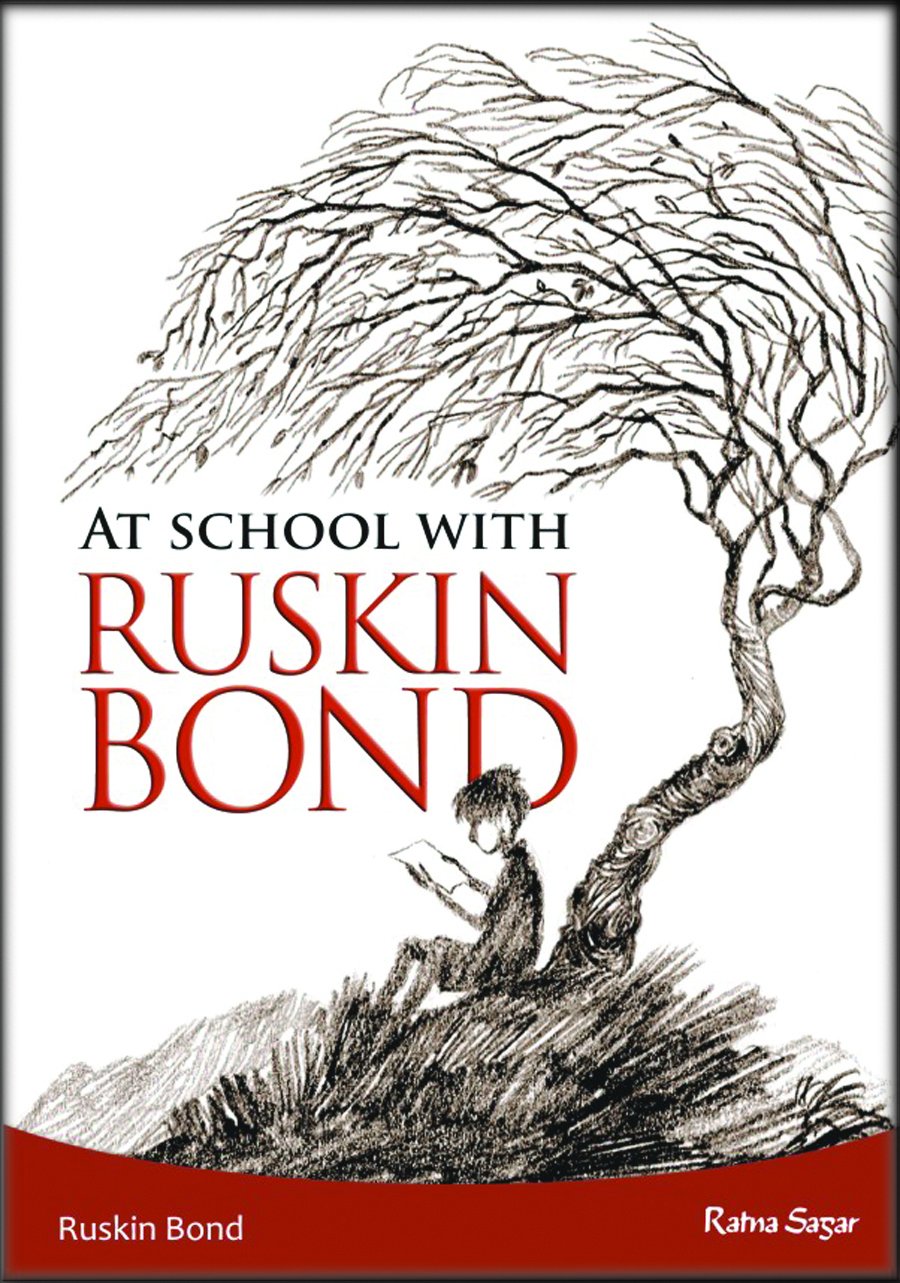
As an educational publisher, Ratna Sagar offers a wide range of learning resources across subjects such as English, Mathematics, Science, Social Science, Environmental Studies and Value Education.
Through thoughtfully developed textbooks, educational materials and learning activities, Ratna Sagar supports students in strengthening concepts, improving essential skills and developing a lasting interest in learning.
The importance of education extends beyond gaining marks. It involves encouraging curiosity, building understanding and helping children develop into thoughtful, capable individuals.
Students can explore Ratna Sagar's educational books and learning resources to discover new subjects, interesting concepts and opportunities for learning.
On Children's Day, let us remember that every question a child asks, every story they read and every new skill they learn is another step towards a brighter future.
How Can Students Make Children's Day Meaningful?
Children's Day is also an opportunity for students to appreciate their own learning journey.
You can make the day special by reading a new book, helping a friend, learning something interesting or expressing gratitude to your teachers and parents.
Remember, your ideas matter, your questions are important and your dreams deserve encouragement.
Most importantly, never stop being curious. Great discoveries often begin with simple questions!
Conclusion: Every Child Deserves a Bright Future
Children's Day is a beautiful reminder that childhood should be filled with happiness, learning, friendship and opportunities.
As we celebrate Children's Day on 14 November, let us remember the vision of Pandit Jawaharlal Nehru and the importance of nurturing young minds through education, creativity and care.
At Ratna Sagar, we celebrate the joy of learning and the endless potential that every child carries.
Happy Children's Day! Keep learning, keep exploring and never stop dreaming.
Because every curious mind has the power to create a brighter tomorrow!
Recent Posts
Bhai Dooj: Celebrating the Special Bond Between Siblings
10/11/2026
National Education Day 2026: Importance of Education in India
10/11/2026
Diwali: Festival of Lights, Stories, Traditions & Activities for Kids
06/11/2026
C. V. Raman Birth Anniversary: Celebrating India's Great Scientist and His Discoveries
05/11/2026
Unity in Diversity: India's Strength, Culture & Unity
03/11/2026
The Night Sky for Kids | Class 1 English Animated Story
26/10/2026
My Family Animated Story for Kids | Ratna Sagar
22/10/2026Recommended Books