Netaji Subhash Chandra Bose Jayanti Activities for Students & Schools
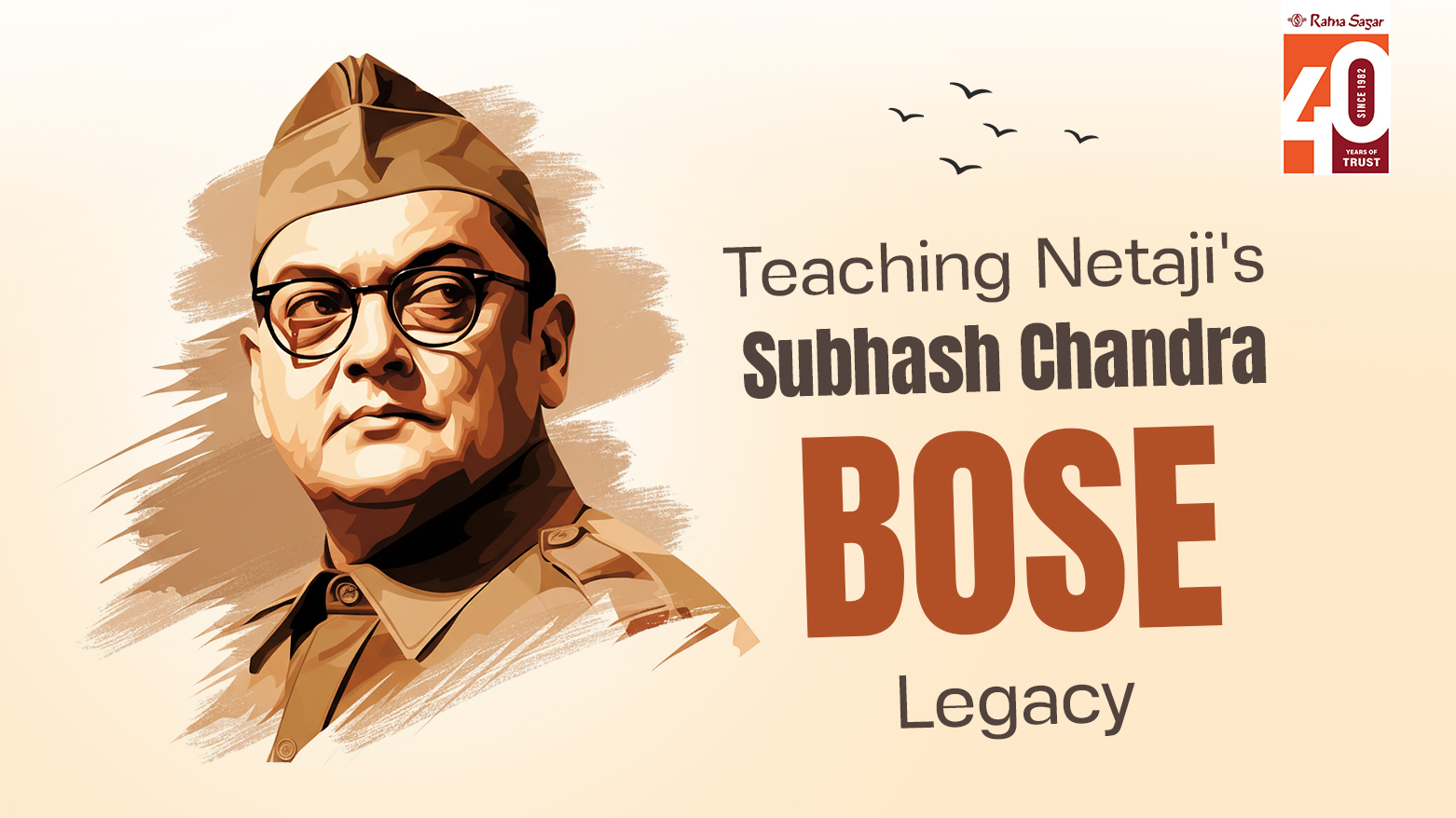
Every year on January 23rd, India celebrates the birth anniversary of one of its most fearless freedom fighters, Netaji Subhash Chandra Bose. Observed as Parakram Diwas (Courage Day), this occasion presents educators with a golden opportunity to inspire young minds with stories of bravery, leadership and unwavering patriotism. Teaching Subhash Chandra Bose for students goes beyond textbook facts—it's about bringing history alive and instilling values that shape future citizens.
In this comprehensive guide, we'll explore creative Netaji Subhash Chandra Bose Jayanti activities and effective strategies for Parakram Diwas celebration in schools that will leave lasting impressions on your students.
Why Teaching Indian Freedom Fighters Matters Today
Before diving into activities, it's essential to understand why teaching Indian freedom fighters like Netaji remains relevant in modern classrooms. Bose's life story teaches students about courage in the face of adversity, strategic thinking and the importance of standing up for one's beliefs. These timeless lessons transcend history textbooks and apply directly to challenges students face today.
When we celebrate Subhash Chandra Bose Jayanti in educational settings, we're not merely commemorating the past—we're building character and national pride in the next generation.
10 Lines on Netaji Subhash Chandra Bose Jayanti
For younger students in grades 3-5, writing 10 lines on Netaji Subhash Chandra Bose Jayanti serves as an excellent introduction to this great leader. Here's a sample format that teachers can share with students:
- Netaji Subhash Chandra Bose was born on January 23, 1897, in Cuttack, Odisha.
- His birthday is celebrated as Parakram Diwas, which means Courage Day, across India.
- He was a fearless leader who played a crucial role in India's freedom struggle.
- Netaji gave the famous slogan "Give me blood and I shall give you freedom."
- He formed the Indian National Army (INA) to fight against British rule.
- Netaji believed in taking bold action to achieve independence for India.
- He traveled to many countries seeking support for India's freedom movement.
- His courage and determination continue to inspire millions of Indians today.
- We celebrate his birth anniversary to remember his sacrifices for our nation.
- Netaji Subhash Chandra Bose remains one of India's most beloved freedom fighters.
This simple format helps young learners grasp essential facts about Netaji while developing their writing skills. Teachers can encourage students to research and create their own versions of 10 lines on Netaji Subhash Chandra Bose Jayanti, fostering independent learning and creativity.
A Short Essay on Netaji Subhash Chandra Bose Jayanti
For older students in grades 6-10, writing a short essay on Netaji Subhash Chandra Bose Jayanti allows deeper exploration of this remarkable leader's life and legacy. Here's a comprehensive example:
Netaji Subhash Chandra Bose Jayanti: Celebrating the Icon of Courage
January 23rd holds special significance in India's national calendar as we celebrate Netaji Subhash Chandra Bose Jayanti, commemorating the birth of one of our most courageous freedom fighters. Born in 1897 in Cuttack, Odisha, Subhash Chandra Bose emerged as a leader whose fierce patriotism and revolutionary approach left an indelible mark on India's independence movement.
Netaji's journey from a brilliant student who cleared the Indian Civil Services examination to a revolutionary leader who renounced a comfortable career for his motherland exemplifies supreme sacrifice. His famous declaration, "Give me blood and I shall give you freedom," became a rallying cry that stirred the hearts of millions. Unlike some contemporaries who advocated non-violence, Bose believed that armed resistance was necessary to overthrow British colonial rule.
The formation of the Indian National Army (INA) stands as Netaji's most significant contribution to the freedom struggle. He transformed Indian prisoners of war and civilian volunteers into a formidable force that challenged British supremacy in Southeast Asia. His leadership during the
INA's campaign, particularly the march towards India with the slogan "Chalo Delhi," demonstrated strategic brilliance and unwavering commitment to liberation.
Netaji's mysterious disappearance in 1945 created a legend that continues to fascinate historians and citizens alike. However, his legacy transcends the uncertainty surrounding his death. His vision of a free, strong and self-reliant India resonates even today. The Government of India's decision to celebrate his birthday as Parakram Diwas recognizes his extraordinary courage and dedication.
As we observe Netaji Subhash Chandra Bose Jayanti, we remember not just a freedom fighter but a visionary leader whose principles of courage, sacrifice and patriotism remain relevant for every generation. His life teaches us that true freedom requires constant vigilance, bold action and unwavering commitment to one's ideals. Celebrating Parakram Diwas in our schools and communities ensures that Netaji's inspiring legacy continues to guide and motivate future generations of Indians.
This essay format encourages students to research comprehensively, think critically about historical events and express their understanding in well-structured prose. Teachers implementing Netaji Subhash Chandra Bose Jayanti activities should encourage students to develop their own perspectives while maintaining historical accuracy.
Incorporating Writing Exercises into Parakram Diwas Celebrations
Both the 10-line format and short essay approach serve distinct pedagogical purposes in teaching Subhash Chandra Bose for students. The 10-line exercise works excellently for quick assessments, classroom displays and building foundational knowledge. Meanwhile, essay writing develops advanced research skills, critical thinking and comprehensive understanding.
Consider organizing a school-wide writing competition featuring both categories during your Parakram Diwas celebration in schools. Display the best submissions on bulletin boards or publish them in school newsletters, giving students recognition for their efforts and inspiring others to learn about Indian freedom fighters.
Resources for Educators
Quality teaching resources make implementing these Netaji Subhash Chandra Bose Jayanti activities easier. Look for age-appropriate biographies, documented speeches and writings by Netaji, historical photographs and videos, curriculum-aligned worksheets and interactive digital content.
Quality educational publishers provide comprehensive materials that support effective teaching of Indian freedom fighters in alignment with national curriculum standards, including ready-to-use templates for writing exercises like 10 lines and a short essay on Netaji Subhash Chandra Bose Jayanti.
The Lasting Impact of Celebrating Parakram Diwas
When executed thoughtfully, Parakram Diwas celebration in schools transcends a single-day event. It plants seeds of patriotism, courage and principled leadership in young hearts. Students who engage deeply with Netaji's legacy through activities like writing 10 lines on Netaji Subhash Chandra Bose Jayanti or crafting a short essay on Netaji Subhash Chandra Bose Jayanti carry forward values that shape their character and decisions throughout life.
By implementing diverse Netaji Subhash Chandra Bose Jayanti activities, you're not just teaching history—you're shaping citizens who understand sacrifice, appreciate freedom and recognize the responsibility that comes with it.
Teaching Subhash Chandra Bose for students offers endless opportunities for creative, impactful education. Whether through 10 lines on Netaji Subhash Chandra Bose Jayanti for younger learners or a short essay on Netaji Subhash Chandra Bose Jayanti for advanced students, every activity contributes to building a comprehensive understanding of this iconic freedom fighter.
As educators, our role extends beyond imparting knowledge—we inspire, motivate and instill values. This January 23rd, let's commit to making Parakram Diwas celebration in schools meaningful, engaging and transformative for every student through well-planned activities that include both writing exercises and interactive learning experiences.
Recent Posts
R K Narayan Birth Anniversary: Malgudi, Books & Legacy
06/10/2026
Gandhi Jayanti: Truth, Non-Violence and Its Relevance Today
01/10/2026
Earth and Its Shapes: Facts for Kids | Classes 2–4
24/09/2026
International Sign Language Day: 10 Lines & Short Essay
18/09/2026
Engineer's Day: 10 Lines, Short Essay & Facts About Sir M. Visvesvaraya
14/09/2026