Planning a Picnic: Class 1 English Learning
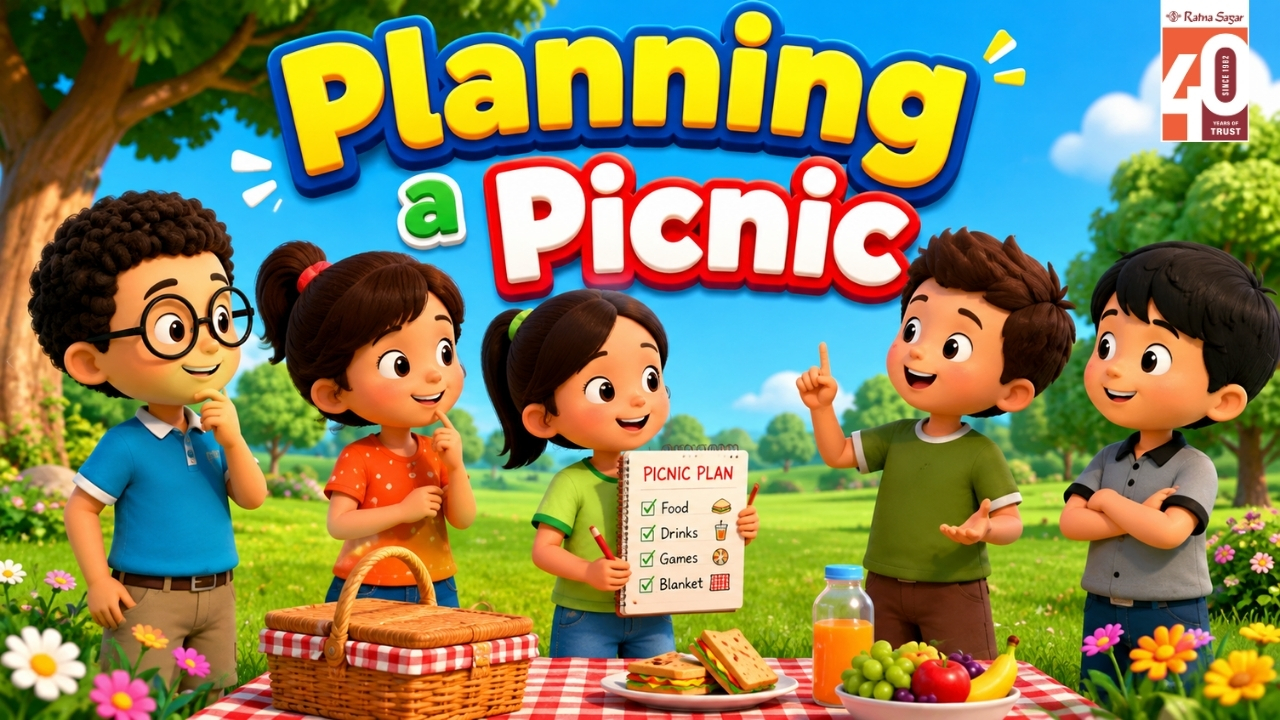
Planning a Picnic: Learning English and Life Skills Through Everyday Adventures
What could be more exciting for a child than the thought of a picnic? The delicious snacks, outdoor games, cheerful conversations and the excitement of spending time with friends make picnics a memorable part of childhood. But beyond the fun and laughter, even a simple activity like planning a picnic can become a wonderful learning experience.
For young learners, everyday experiences offer opportunities to develop language, imagination, communication and important life skills. This is the idea behind Planning a Picnic, featured in ICSE Focus English Book 1 by Ratna Sagar.
Through a familiar and engaging theme, children can connect classroom learning with the world around them, discovering that learning English is not limited to textbooks and exercises. It is also about expressing ideas, asking questions, making decisions and participating in meaningful conversations.
Why Everyday Experiences Make Learning More Meaningful
Children learn best when they can connect new concepts with situations they already understand.
A picnic is something many young learners can easily imagine. They can picture a sunny day, a picnic basket, their favourite snacks and friends playing together. This familiarity makes the topic an inviting starting point for classroom conversations and language activities.
When teachers introduce English through relatable experiences, children have more reasons to participate.
For example, asking a child, "What would you take on a picnic?" encourages them to think, recall familiar objects and frame a response in English.
A simple question can help develop vocabulary, sentence formation, confidence and independent thinking.
This is what makes experiential learning for children so valuable. Rather than memorising words in isolation, learners understand how language works in situations they may encounter in daily life.
Planning a Picnic: Making English Learning Fun for Class 1
The theme of Planning a Picnic creates opportunities for young learners to explore everyday vocabulary and practise communication in a meaningful context.
Think about the little decisions involved in organising a picnic.
Where should we go? What food should we carry? What games can we play? How can everyone help?
Each question encourages children to express preferences, share ideas and listen to others.
For Class 1 students, these conversations can become enjoyable exercises in language development. Children can practise naming objects, using action words, forming simple sentences and expressing their thoughts clearly.
The theme also introduces the idea that learning English is not just about recognising words on a page. It is about understanding their meaning and using them confidently.
Watch Planning a Picnic by Ratna Sagar
Bring the topic to life with Planning a Picnic, a video associated with ICSE Focus English Book 1 by Ratna Sagar.
The video can be used as a learning resource to introduce the topic, encourage discussion and make English lessons more engaging for young learners.
Watch Planning a Picnic | ICSE Focus English Book 1 | Ratna Sagar
Teachers and parents can use the video as a starting point for conversations, vocabulary-building exercises and creative activities.
After watching, encourage children to talk about what they understood and describe how they would plan a picnic of their own.
Five Important Skills Children Can Develop Through Picnic-Themed Learning
A familiar topic like planning a picnic can support several aspects of a child's development when paired with thoughtful activities.
1. Building Vocabulary Naturally
Planning a picnic introduces words connected to food, nature, travel and outdoor activities.
Children can explore words such as basket, blanket, sandwich, garden, playground, trees and games.
Teachers can encourage learners to identify these objects, describe their uses and include them in simple sentences.
This helps make vocabulary building more interesting and relevant.
2. Improving Communication Skills
When children discuss their picnic plans, they practise speaking and listening.
They learn to answer questions, explain choices and participate in conversations.
For example:
"I want to take some apples."
"We can play in the park."
"I will bring a water bottle."
These simple exchanges help young learners become more comfortable using English in everyday situations.
3. Encouraging Teamwork and Cooperation
Planning a picnic is also an opportunity to introduce cooperation and shared responsibility.
Children can discuss how different people might contribute to a group activity.
One person could help prepare the food, another could organise games, while someone else could check that all necessary items have been packed.
Such discussions introduce the importance of sharing responsibilities, respecting others' ideas and working together.
4. Developing Thinking and Decision-Making Skills
Even simple planning activities involve choices.
Should we carry fruit or snacks? What happens if it rains? What should we pack to keep our surroundings clean?
Questions like these encourage children to consider alternatives and think about possible outcomes.
They also create opportunities to practise problem-solving and develop confidence in making small decisions.
5. Strengthening Reading Comprehension
Reading comprehension begins with understanding information, recognising sequences and discussing meaning.
Picnic-themed stories and activities can encourage children to identify important details, recall events and answer questions.
Teachers might ask learners to describe what they would do before, during and after a picnic.
Such exercises support sequencing, comprehension and sentence-building skills while keeping the topic enjoyable.
Fun Picnic-Themed English Activities for Class 1
The learning experience does not have to end with reading a lesson or watching a video.
Parents and teachers can extend the theme through simple, engaging activities.
Create Your Picnic Checklist
Ask children to draw or write five things they would carry on a picnic. Encourage them to name each object and explain why it is useful.
Plan a Pretend Picnic
Create a small picnic setting in the classroom or at home. Children can take turns choosing items, inviting friends and describing their plans in English.
Complete the Sentences
Give learners simple prompts such as:
"I want to visit ______."
"I will carry ______."
"My favourite picnic game is ______."
These activities encourage independent sentence formation.
Draw Your Dream Picnic
Invite children to illustrate their ideal picnic destination and describe their drawings using three or four simple sentences.
Creative activities like these combine language practice with imagination, observation and self-expression.
How ICSE Focus English by Ratna Sagar Supports Foundational Learning
Developing strong English skills during the primary years requires more than memorising vocabulary and grammar rules.
Children need opportunities to listen, speak, read, understand and express their ideas.
Recognising this need, Ratna Sagar's ICSE Focus English series is designed to strengthen essential language skills through graded reading material and meaningful learning experiences.
The series covers Classes 1 to 8 and adopts an approach that brings together reading, writing, speaking and listening.
For Classes 1 and 2, the emphasis includes reading comprehension, sight words, conversation practice and language development.
The series also highlights experiential learning, application of knowledge, critical thinking and problem-solving.
With themes that children can relate to, such as Planning a Picnic, teachers can create opportunities for active participation and connect language learning to familiar situations.
This approach supports not only academic understanding but also the confidence children need to communicate effectively.
Helping Children Discover the Joy of Learning
A child's first experiences with English can shape how they approach reading and communication in the years ahead.
When lessons are meaningful, relatable and enjoyable, children are more likely to participate, ask questions and explore new ideas.
Planning a Picnic reminds us that even ordinary experiences can lead to valuable learning opportunities.
From practising new vocabulary to sharing opinions and making decisions, children can develop a wide range of skills through one familiar theme.
For parents and educators, the goal is to make learning an experience children look forward to, rather than simply another task to complete.
At Ratna Sagar, the emphasis is on creating educational resources that connect knowledge with understanding and encourage children to become confident learners.
Explore the ICSE Focus English series by Ratna Sagar and discover learning resources designed to make English engaging, meaningful and connected to everyday life.
Explore ICSE Focus English Book
Recent Posts
Planning a Picnic: Class 1 English Learning
13/10/2026
International Day of the Girl Child: 10 Lines & Essay
09/10/2026
R K Narayan Birth Anniversary: Malgudi, Books & Legacy
06/10/2026
Gandhi Jayanti: Truth, Non-Violence and Its Relevance Today
01/10/2026
Earth and Its Shapes: Facts for Kids | Classes 2–4
24/09/2026
International Sign Language Day: 10 Lines & Short Essay
18/09/2026Recommended Books
No images found.
Banner Management Feature