Parsi New Year (Navroz): 10 Lines & Short Essay for Students
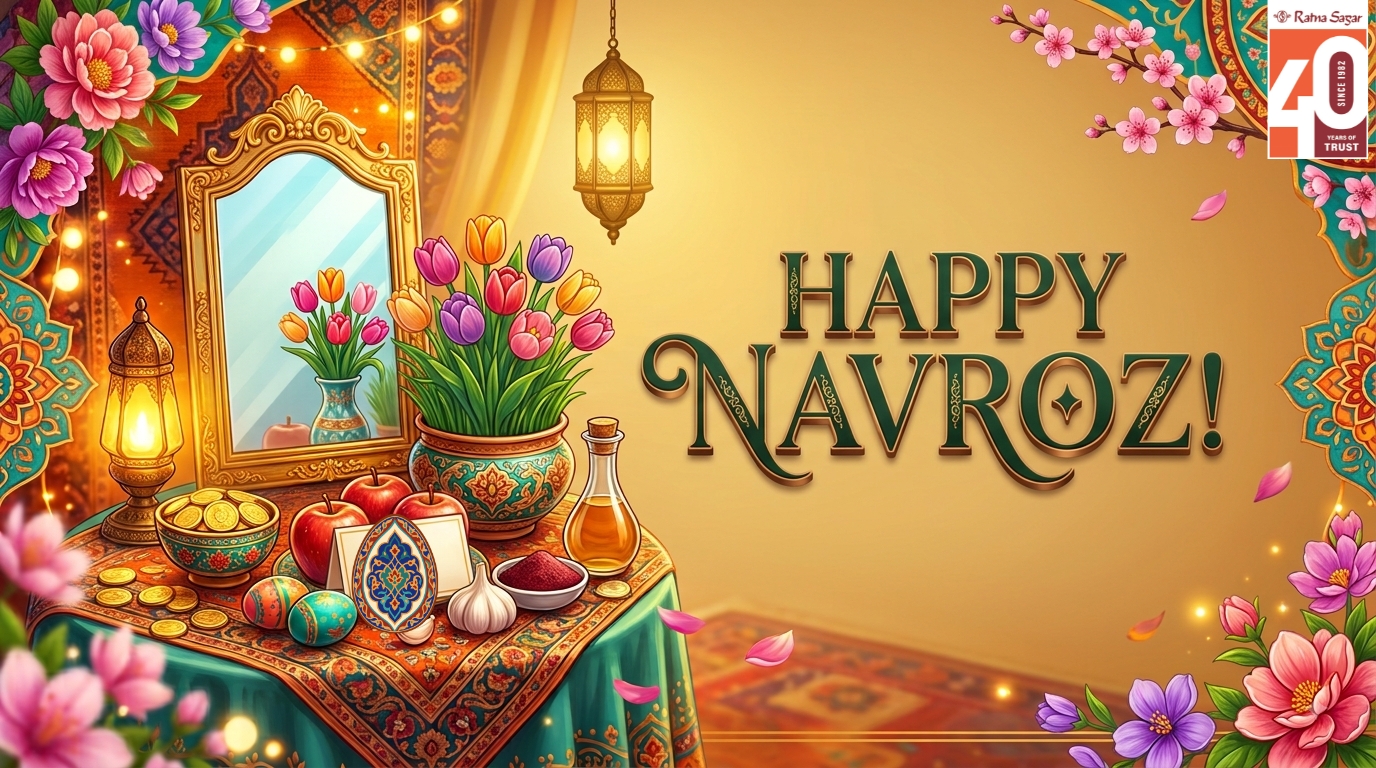
Parsi New Year (Navroz) – Celebrated in India: 10 Lines and a Short Essay
India is home to a beautiful mix of cultures, religions, and traditions, and among its many vibrant celebrations is Parsi New Year, popularly known as Navroz. Celebrated with great devotion by the Parsi community, this festival marks the beginning of a new year filled with hope, renewal, and togetherness. It is a wonderful example of how a community that has called India home for centuries continues to preserve its rich cultural heritage.
To help students and young learners understand this festival better, here are 10 simple lines on Parsi New Year, followed by a short essay exploring its history and significance in more detail.
10 Lines on Parsi New Year (Navroz)
- Navroz, meaning "new day," is the Parsi New Year celebrated by the Zoroastrian community in India.
- In India, Navroz is generally celebrated in August, based on the Shahenshahi calendar followed by Indian Parsis.
- The festival marks the first day of Farvardin, the first month of the Zoroastrian calendar.
- Navroz is believed to have originated in ancient Persia, associated with the legendary King Jamshed.
- Parsis, who follow the religion of Zoroastrianism, migrated to India from Persia many centuries ago, settling mainly in Gujarat and later in Mumbai.
- On this day, families visit fire temples (Agiaries) to offer prayers and seek blessings for the year ahead.
- Homes are cleaned, decorated with flowers and rangoli, and family members wear new clothes to mark the fresh beginning.
- Traditional Parsi dishes such as Dhansak, Sali Boti, Patra ni Machhi, and Ravo are prepared and shared with family and friends.
- People greet one another with the phrase "Navroz Mubarak", wishing peace, prosperity, and happiness for the new year.
- Navroz reflects the values of renewal, gratitude, and community, and is recognised as part of India's diverse cultural heritage.
Short Essay on Parsi New Year (Navroz)
Origins of Navroz
Navroz, also known as Jamshedi Navroz, has its roots in ancient Persia and is closely tied to the Zoroastrian faith, one of the world's oldest monotheistic religions, founded by the Prophet Zarathustra thousands of years ago in the region that is now Iran. According to legend, the festival is named after King Jamshed, a mythical Persian ruler credited with founding the Persian calendar. Folklore describes Jamshed as a wise king during whose reign the world knew neither extreme heat nor cold, and people lived long, peaceful lives. Navroz, therefore, has always symbolised renewal, hope, and the victory of light over darkness.
Traditionally, Navroz is celebrated on the Spring Equinox around March 21, aligning with the arrival of spring in the Northern Hemisphere. This is how Nowruz is still celebrated in Iran and several Central Asian countries today.
How Navroz Came to India
Zoroastrianism faced significant challenges after the rise of Islam in Persia during the 7th century. To preserve their faith and way of life, many Zoroastrians migrated from Persia to India, settling primarily along the coast of Gujarat. Over time, these settlers became known as Parsis, meaning "people from Persia." As generations passed, the Parsi community flourished in India, particularly in cities like Mumbai, Surat, and Pune, while carefully preserving their unique customs, language influences, and religious practices.
Interestingly, the date of Navroz celebrated by Indian Parsis today differs from the traditional Spring Equinox date observed elsewhere in the world. This is because the Parsi community in India follows the Shahenshahi calendar, an older version of the Zoroastrian calendar that does not account for leap years. As a result, over centuries, the Indian celebration has gradually shifted later in the year, and Navroz is now generally observed in mid-August in India, rather than in March.
How Navroz is Celebrated
Navroz is a day of joy, reflection, and renewal for Parsi families across India. Preparations often begin days in advance, with families thoroughly cleaning their homes to welcome the new year with freshness and positivity. Homes are decorated with flowers, colourful rangoli patterns, and traditional motifs, creating a festive atmosphere.
On the day of Navroz, families dress in new clothes and visit their local fire temple, known as an Agiary, to offer prayers. Fire holds deep significance in Zoroastrianism, symbolising purity, energy, and the divine presence, and prayers offered before the sacred flame form an important part of the celebration.
Food plays a central role in Navroz festivities as well. Families prepare an elaborate spread of traditional Parsi dishes, including favourites like Dhansak (a flavourful lentil and meat preparation), Sali Boti, Patra ni Machhi (fish steamed in banana leaves), and Ravo, a sweet semolina dessert. These meals are often shared with extended family, friends, and neighbours, reflecting the community's spirit of warmth and hospitality. People greet each other with the cheerful phrase "Navroz Mubarak," wishing one another a year filled with happiness, good health, and prosperity.
Significance of Navroz in Indian Culture
Although the Parsi community is relatively small in number compared to India's overall population, its contribution to Indian society, industry, and culture has been immense. Navroz is a beautiful reminder of India's tradition of embracing diverse cultures and allowing them to thrive while maintaining their unique identity. The festival is even recognised as part of India's Intangible Cultural Heritage, highlighting its importance not just to the Parsi community, but to the nation as a whole.
For students, learning about festivals like Navroz offers valuable insight into India's cultural diversity. It teaches the importance of preserving one's heritage, respecting different faiths and traditions, and celebrating unity through diversity, values that lie at the very heart of Indian society.
Conclusion
Parsi New Year, or Navroz, is a heartfelt celebration of renewal, gratitude, and community that has been cherished by India's Parsi population for centuries. From its ancient Persian origins to its unique traditions rooted in India today, Navroz beautifully represents how different cultures continue to enrich the country's shared heritage. Understanding festivals like Navroz helps students appreciate India's spirit of unity in diversity.
For more insightful essays and learning resources on Indian festivals, culture, and history, visit Ratna Sagar, a trusted name in educational publishing for schools across India.
Recent Posts
International Day of the Girl Child: 10 Lines & Essay
09/10/2026
R K Narayan Birth Anniversary: Malgudi, Books & Legacy
06/10/2026
Gandhi Jayanti: Truth, Non-Violence and Its Relevance Today
01/10/2026
Earth and Its Shapes: Facts for Kids | Classes 2–4
24/09/2026
International Sign Language Day: 10 Lines & Short Essay
18/09/2026
Engineer's Day: 10 Lines, Short Essay & Facts About Sir M. Visvesvaraya
14/09/2026