Did Mani Take a Bath? | Personal Hygiene for Kids
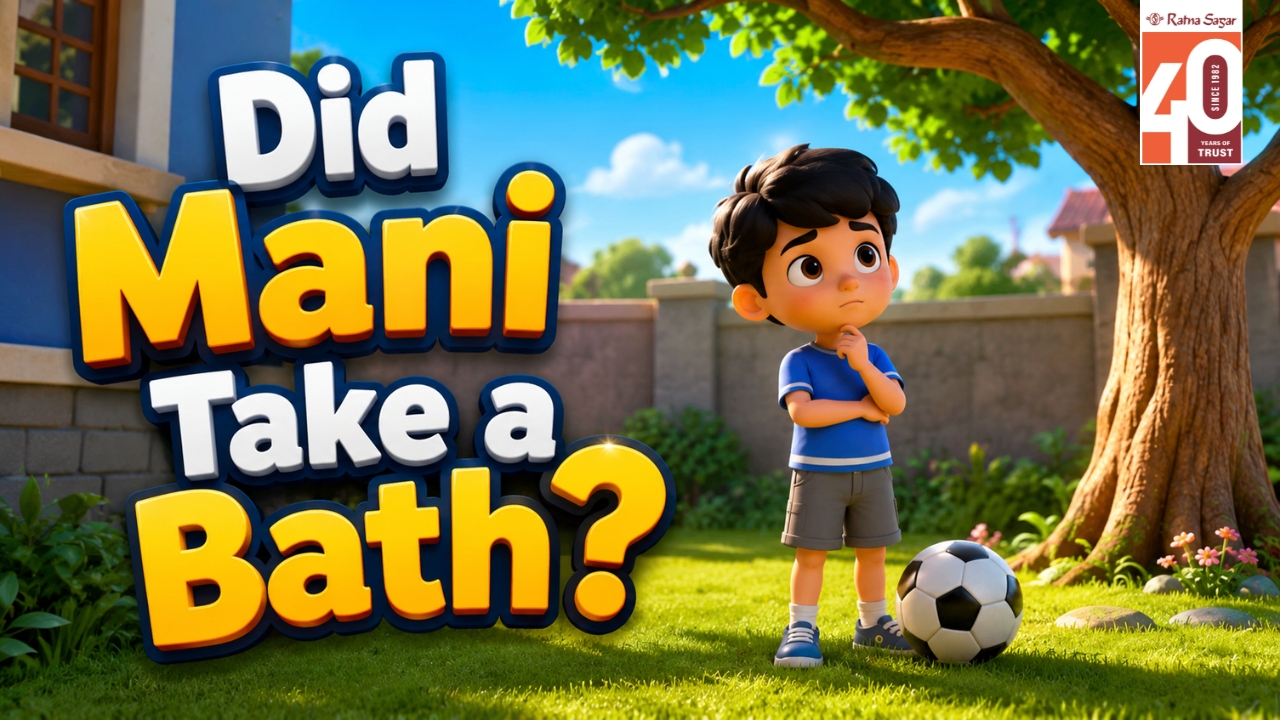
Did Mani Take a Bath? A Fun Story That Teaches Kids the Importance of Personal Hygiene
Getting children to follow a daily hygiene routine can sometimes feel like a challenge. Whether it's taking a bath, washing their hands or brushing their teeth, young learners may not always understand why these habits matter. But what if a simple animated story could make learning about cleanliness fun?
Did Mani Take a Bath?, an animated story from ICSE Focus Book 1 by Ratna Sagar, introduces children to the importance of personal hygiene through an entertaining bath-time adventure.
Stories like Mani's help children connect everyday experiences with valuable life lessons. Instead of simply telling children to stay clean, storytelling encourages them to think, observe and understand the reasons behind healthy habits.
Let's explore why personal hygiene is important for kids and how Mani's story can make learning about cleanliness more engaging.
Did Mani Take a Bath? Discover the Story
Children love stories featuring relatable characters, familiar situations and a little fun. Bath time is something every child experiences, making it an excellent topic for early learning.
Did Mani Take a Bath? brings this everyday activity into the world of animated storytelling. Through Mani's bath-time adventure, children are introduced to the idea that cleanliness is an essential part of staying healthy.
The story encourages young viewers to think about their personal hygiene routines and recognise the importance of bathing regularly.
For Class 1 students, such simple stories provide an opportunity to develop listening skills, vocabulary, observation and comprehension.
Watch the animated story here: Did Mani Take a Bath? | Ratna Sagar | Animated Story
Parents and teachers can use this educational video to begin conversations about why we bathe, how we stay clean and what happens when we neglect our hygiene.
Why Is Personal Hygiene Important for Children?
Personal hygiene refers to the everyday habits that help keep our bodies clean and healthy.
For children, learning these habits early is important because they gradually become part of their daily routines.
Here are some reasons why personal hygiene matters.
1. Helps Prevent Illness
Children frequently touch toys, books, playground equipment and other shared surfaces. These activities can expose them to germs.
Washing hands with soap, bathing regularly and maintaining clean surroundings help reduce the spread of germs and certain infections.
2. Builds Healthy Daily Routines
Following a regular hygiene routine encourages children to develop consistency and responsibility.
Simple activities such as brushing their teeth in the morning and before bedtime, washing their hands before eating and changing into clean clothes can become lifelong habits.
3. Encourages Independence
As children grow, they begin learning to take care of themselves.
Practising age-appropriate hygiene activities under adult supervision helps them develop confidence and independence.
4. Promotes Comfort and Well-Being
Clean clothes, washed hands and a fresh body can help children feel comfortable during school, playtime and other daily activities.
Teaching these habits positively also encourages children to take pride in caring for themselves.
Five Good Hygiene Habits Every Child Should Learn
Stories like Did Mani Take a Bath? can introduce children to simple hygiene practices that they can follow every day.
1. Bathe regularly
Bathing helps remove sweat, dirt and other substances that collect on the skin. Children should learn to wash their bodies gently and dry themselves with a clean towel.
2. Wash hands properly
Children should wash their hands with soap and water before eating, after using the toilet and after playing outdoors. Scrubbing for at least 20 seconds helps clean hands effectively.
3. Brush teeth twice a day
Brushing teeth twice daily with fluoride toothpaste helps maintain oral hygiene and prevent tooth decay. Young children may require adult assistance or supervision.
4. Wear clean clothes
Changing into clean clothes, particularly after sweating or outdoor play, helps children stay comfortable and maintain cleanliness.
5. Keep nails clean and trimmed
Dirt can collect under fingernails. Keeping nails short and clean reduces the accumulation of dirt and germs.
These everyday practices are simple, but consistent encouragement helps children understand their importance.
Learning About Cleanliness Through Everyday Celebrations
Children can also learn personal hygiene through familiar festivals, games and outdoor activities.
On festivals like Holi, Vasant Panchami & Raksha Bandhan, children enjoy celebrating with colourful gulal, playing outdoors, flying kites, tying rakhis, eating sweets and spending time with family and friends. However, the celebrations also offer an opportunity to discuss responsible hygiene habits.
As we take Holi as an example, after playing with colours, children should gently wash their skin, change into clean clothes and avoid rubbing their eyes. Using skin-friendly colours and following safe cleaning practices can make celebrations more enjoyable.
Festivals also provide opportunities to combine cultural learning with healthy habits.
Connecting hygiene lessons with familiar occasions helps children understand that cleanliness is important throughout the year, not just during their regular bath-time routines.
How Animated Stories Make Learning Easier for Young Children
Young learners often respond positively to colourful visuals, expressive characters and simple storytelling.
Animated educational videos can make everyday concepts more interesting and easier to remember.
For example, watching a character experience a familiar activity, such as bath time, encourages children to connect the story with their own routines.
Educational storytelling can support learning in several ways.
Improves listening and comprehension: Children practise following events and understanding the message of a story.
Builds vocabulary: Stories introduce familiar and new words through meaningful contexts.
Encourages curiosity: Interesting situations motivate children to ask questions and explore ideas.
Connects learning with real life: Children recognise how classroom lessons apply to their daily experiences.
Through ICSE Focus Book 1, Ratna Sagar brings educational concepts closer to young learners by combining age-appropriate content with engaging learning resources.
Fun Activities to Teach Children About Personal Hygiene
Parents and teachers can reinforce the message of Did Mani Take a Bath? through interactive activities.
Create a Daily Hygiene Chart
Prepare a colourful chart featuring activities such as bathing, brushing teeth, washing hands and wearing clean clothes.
Children can mark each completed activity with a sticker or tick.
Play the Good Habit Game
Name different everyday actions and ask children whether they represent good hygiene habits.
For example, ask, "Should we wash our hands before eating?" or "Is it okay to wear dirty clothes every day?"
Practise Hygiene Vocabulary
Introduce words such as soap, towel, toothbrush, clean, healthy and bath.
Encourage children to form simple sentences using these words.
Discuss Mani's Story
After watching the animation, ask questions such as:
Why is taking a bath important?
What do you use while bathing?
How do you keep yourself clean?
What healthy habits will you practise today?
These activities support language development while reinforcing practical life skills.
Ratna Sagar: Making Everyday Learning Meaningful
At Ratna Sagar, education extends beyond memorising facts. Meaningful learning also involves developing good habits, curiosity, communication skills and an understanding of the world around us.
Educational resources such as ICSE Focus Book 1 help introduce young learners to familiar experiences through engaging content.
The animated story Did Mani Take a Bath? offers an opportunity for teachers and parents to introduce personal hygiene in a child-friendly way.
By connecting classroom learning with everyday routines, children can better understand how small actions contribute to a healthy lifestyle.
Conclusion
Good hygiene habits begin with small actions practised consistently. Taking a bath, washing hands, brushing teeth and wearing clean clothes all contribute to a healthier daily routine.
Through the animated story Did Mani Take a Bath?, young learners can explore the importance of cleanliness in an engaging and relatable way.
With storytelling, interactive activities and positive encouragement, parents and teachers can help children develop healthy habits from an early age.
Make learning about cleanliness fun! Watch Did Mani Take a Bath? by Ratna Sagar and encourage your child to practise one healthy habit every day.
Recent Posts
Planning a Picnic: Class 1 English Learning
13/10/2026
International Day of the Girl Child: 10 Lines & Essay
09/10/2026
R K Narayan Birth Anniversary: Malgudi, Books & Legacy
06/10/2026
Gandhi Jayanti: Truth, Non-Violence and Its Relevance Today
01/10/2026
Earth and Its Shapes: Facts for Kids | Classes 2–4
24/09/2026
International Sign Language Day: 10 Lines & Short Essay
18/09/2026Recommended Books