Raksha Bandhan: 10 Lines & Short Essay for Kids and Students
Raksha Bandhan: 10 Lines and a Short Essay for Kids
Raksha Bandhan is one of the most cherished festivals of India, celebrating the unbreakable bond between brothers and sisters. Every year, this beautiful occasion fills homes with laughter, love, and the soft rustle of colourful threads. For young students, learning about Raksha Bandhan is a wonderful way to understand Indian culture, family values, and the spirit of protection and affection that ties siblings together for a lifetime.
In this blog, we bring you 10 simple lines on Raksha Bandhan for younger children, followed by a short essay on Raksha Bandhan for older students who want to explore the festival in a little more depth. Whether it's for a school assignment, a classroom activity, or simply to help your child understand the festival better, this guide has you covered.
What is Raksha Bandhan?
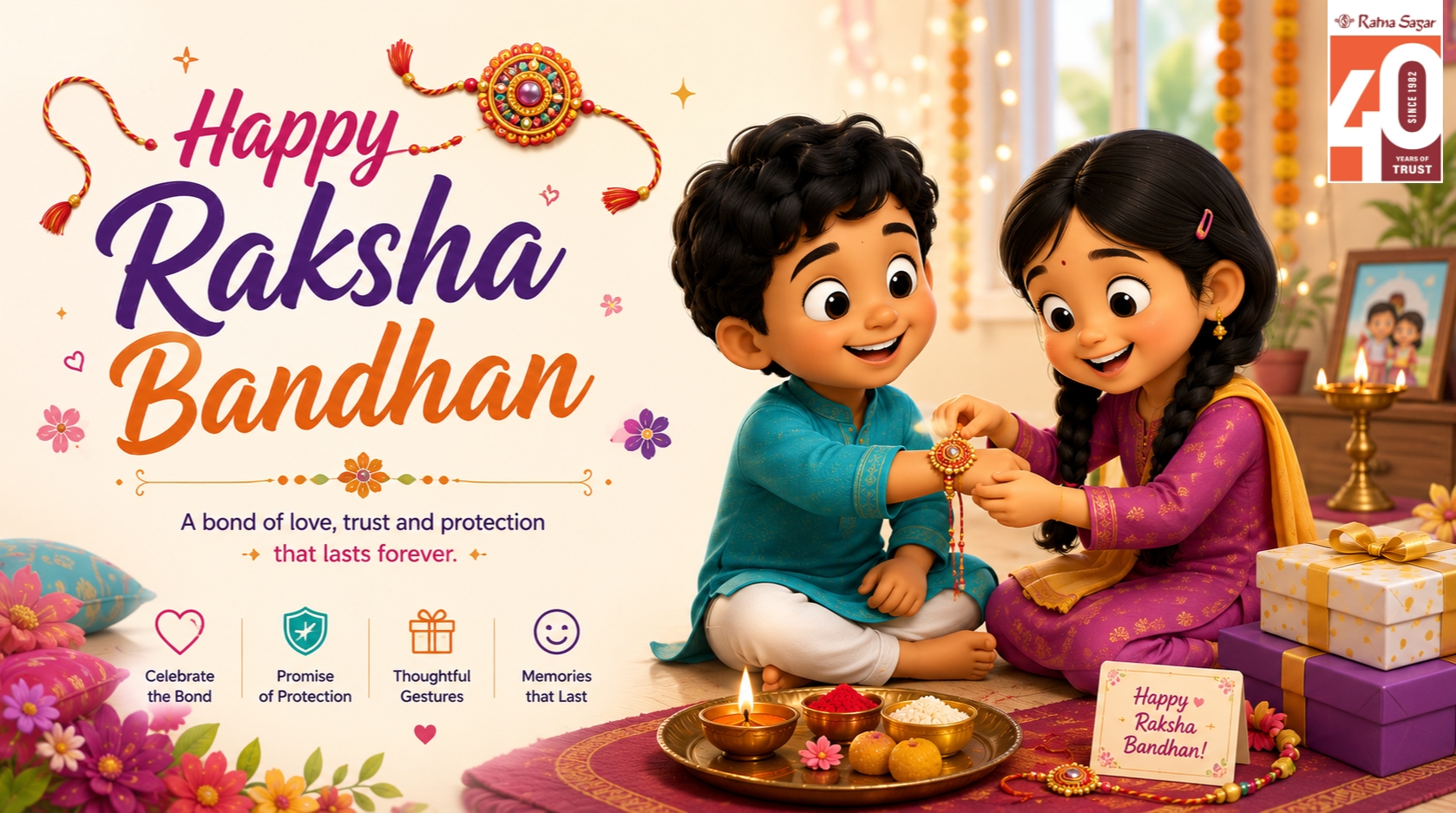
Raksha Bandhan, often shortened to "Rakhi," is a Hindu festival celebrated on the full moon day of the Hindu month of Shravana, which usually falls in August. The word "Raksha" means protection, and "Bandhan" means a bond or tie. On this day, sisters tie a sacred thread called a "rakhi" around their brothers' wrists as a symbol of love and protection. In return, brothers promise to protect and care for their sisters and often give them gifts as a token of their affection.
The festival is not limited to blood relations. Many people tie rakhis to cousins, friends, and even neighbours who they consider as close as siblings, making the day a true celebration of bonds beyond boundaries.
10 Lines on Raksha Bandhan
Here are ten easy-to-remember lines about Raksha Bandhan, perfect for young learners:
- Raksha Bandhan is a popular Hindu festival celebrated across India.
- It celebrates the special bond of love between brothers and sisters.
- The festival falls on the full moon day of the month of Shravana, usually in August.
- On this day, sisters tie a sacred thread called "rakhi" on their brothers' wrists.
- The rakhi symbolises love, care, and protection.
- In return, brothers promise to protect their sisters throughout their lives.
- Brothers often give gifts, sweets, or money to their sisters on this day.
- Families come together, wear new clothes, and prepare delicious sweets like ladoos and barfis.
- The festival also celebrates bonds between cousins and close friends, not just siblings by birth.
- Raksha Bandhan teaches us the importance of love, trust, and togetherness in relationships.
These lines are simple enough for younger students to learn by heart and recite confidently in class or during festival celebrations at school.
Short Essay on Raksha Bandhan
Raksha Bandhan is one of the most beautiful festivals celebrated in India, symbolising the pure and unconditional love shared between brothers and sisters. The festival takes its name from two Sanskrit words: "Raksha," meaning protection, and "Bandhan," meaning a tie or bond. Together, they represent a promise of lifelong protection and care.
The festival falls on the full moon day of the Hindu lunar month of Shravana, which typically falls in August. On this special day, sisters tie a decorative thread, known as a "rakhi," around their brothers' wrists. This simple thread carries deep meaning — it is a sister's wish for her brother's well-being and long life, and a brother's promise to stand by her through every joy and hardship.
The celebrations begin early in the morning as families gather together. Sisters perform a small ritual, often applying a tilak on their brother's forehead, tying the rakhi, and offering sweets. Brothers, in turn, bless their sisters and offer gifts as a token of love and appreciation. Homes are filled with the aroma of festive sweets like ladoos, barfis, and kaju katli, adding to the joyous atmosphere.
While Raksha Bandhan is traditionally associated with biological siblings, its spirit extends much further. Cousins, close friends, and even neighbours often tie rakhis to one another, celebrating bonds of care and protection that go beyond blood relations. In many communities, the festival has also come to symbolise the protection of nature, with people tying rakhis on trees to express their commitment to environmental conservation.
Historically, Raksha Bandhan has been associated with several legends. One popular story tells of Rani Karnavati of Chittor, who sent a rakhi to Emperor Humayun seeking his protection against an invading army. Another legend recalls Draupadi tying a piece of cloth on Lord Krishna's wrist, who later protected her honour in return. These stories reflect the timeless values of trust, loyalty, and protection that Raksha Bandhan continues to represent today.
In essence, Raksha Bandhan is more than just a festival — it is a celebration of relationships built on love, trust, and mutual respect. It reminds us of the importance of standing by our loved ones, no matter the distance or circumstances. For children, understanding festivals like Raksha Bandhan helps build an appreciation for Indian traditions and the values of care and companionship that form the foundation of strong family bonds.
Conclusion
Raksha Bandhan beautifully captures the essence of sibling love and the promise of protection that binds families together. Whether through the simple 10 lines or the short essay above, students can gain a clear understanding of the festival's meaning, rituals, and significance. Teaching children about such festivals not only strengthens their language and writing skills but also nurtures values of love, respect, and togetherness from an early age.
For more engaging educational content, well-crafted essays, and creatively designed learning resources for students of all ages, explore Ratna Sagar's wide range of books and educational materials that make learning both fun and meaningful.
Recent Posts
My Family Animated Story for Kids | Ratna Sagar
22/10/2026
Dussehra Across India: Traditions, Stories & 10 Lines and a Short Essay on Dusshera
15/10/2026
Did Mani Take a Bath? | Personal Hygiene for Kids
15/10/2026
Planning a Picnic: Class 1 English Learning
13/10/2026
International Day of the Girl Child: 10 Lines & Essay
09/10/2026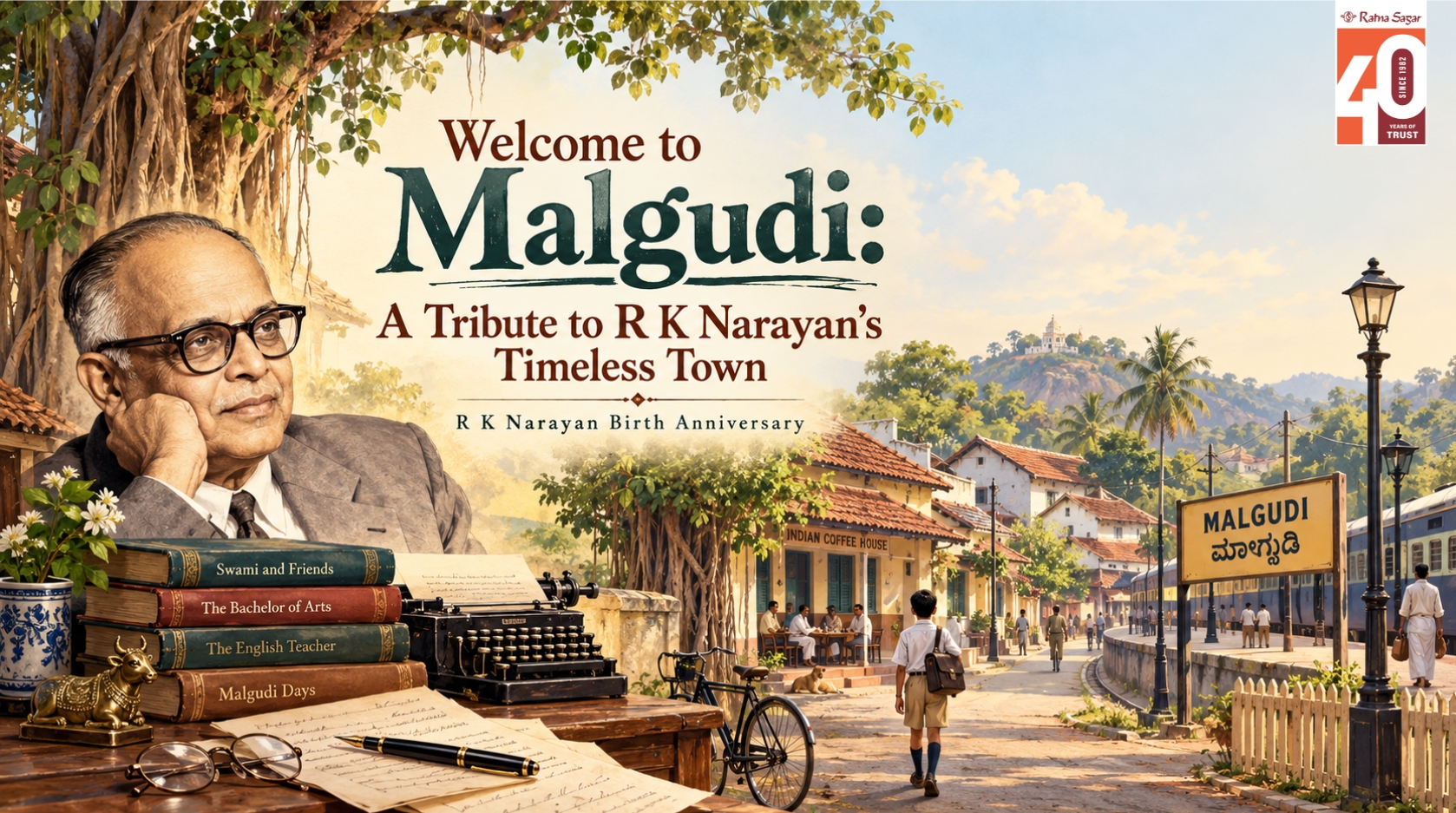
R K Narayan Birth Anniversary: Malgudi, Books & Legacy
06/10/2026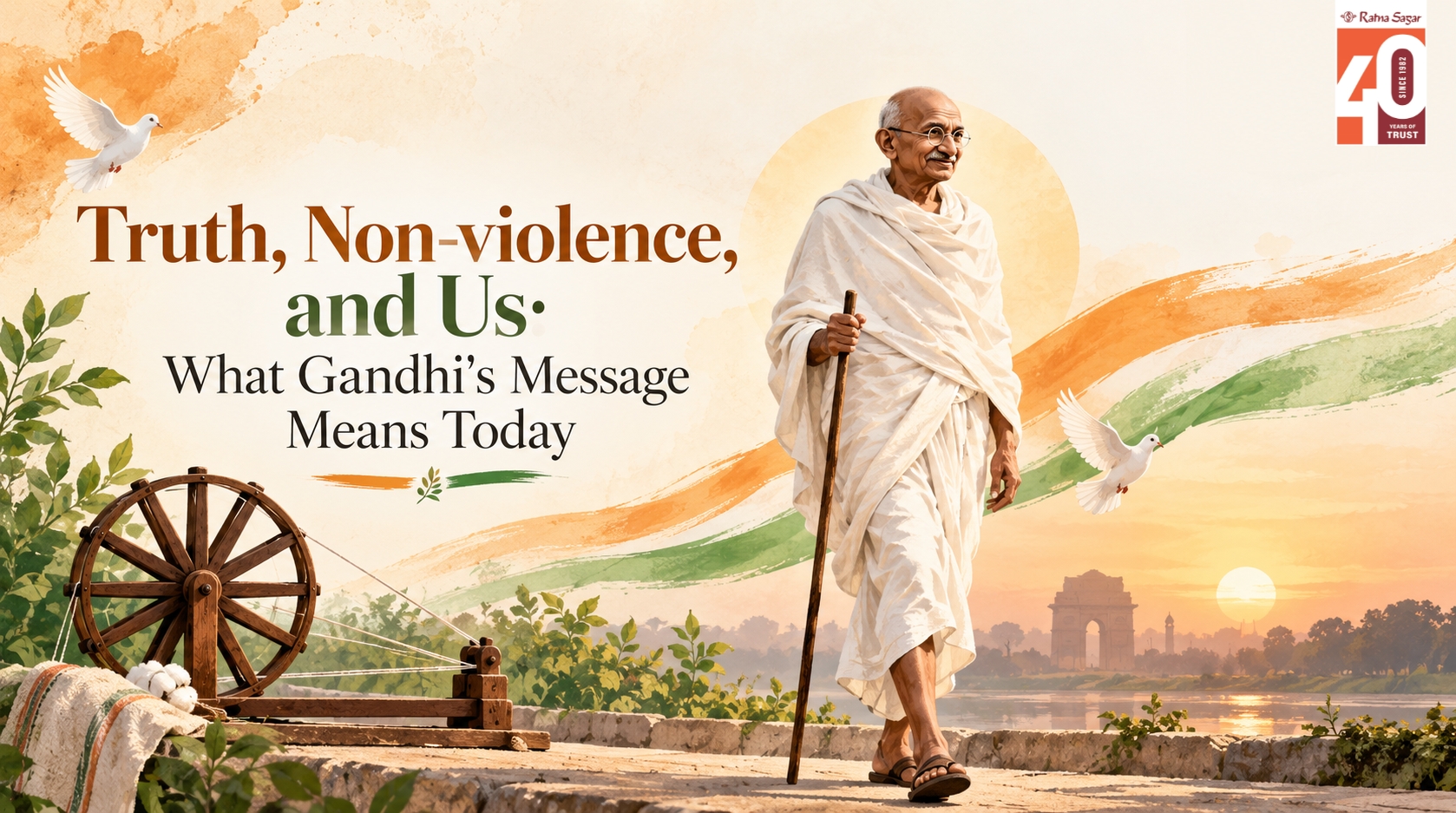
Gandhi Jayanti: Truth, Non-Violence and Its Relevance Today
01/10/2026Recommended Books