Lohri Story for Kids | 10 Lines and Short Essay on Lohri
Lohri Story for Kids: Celebrating India's Vibrant Harvest Festival
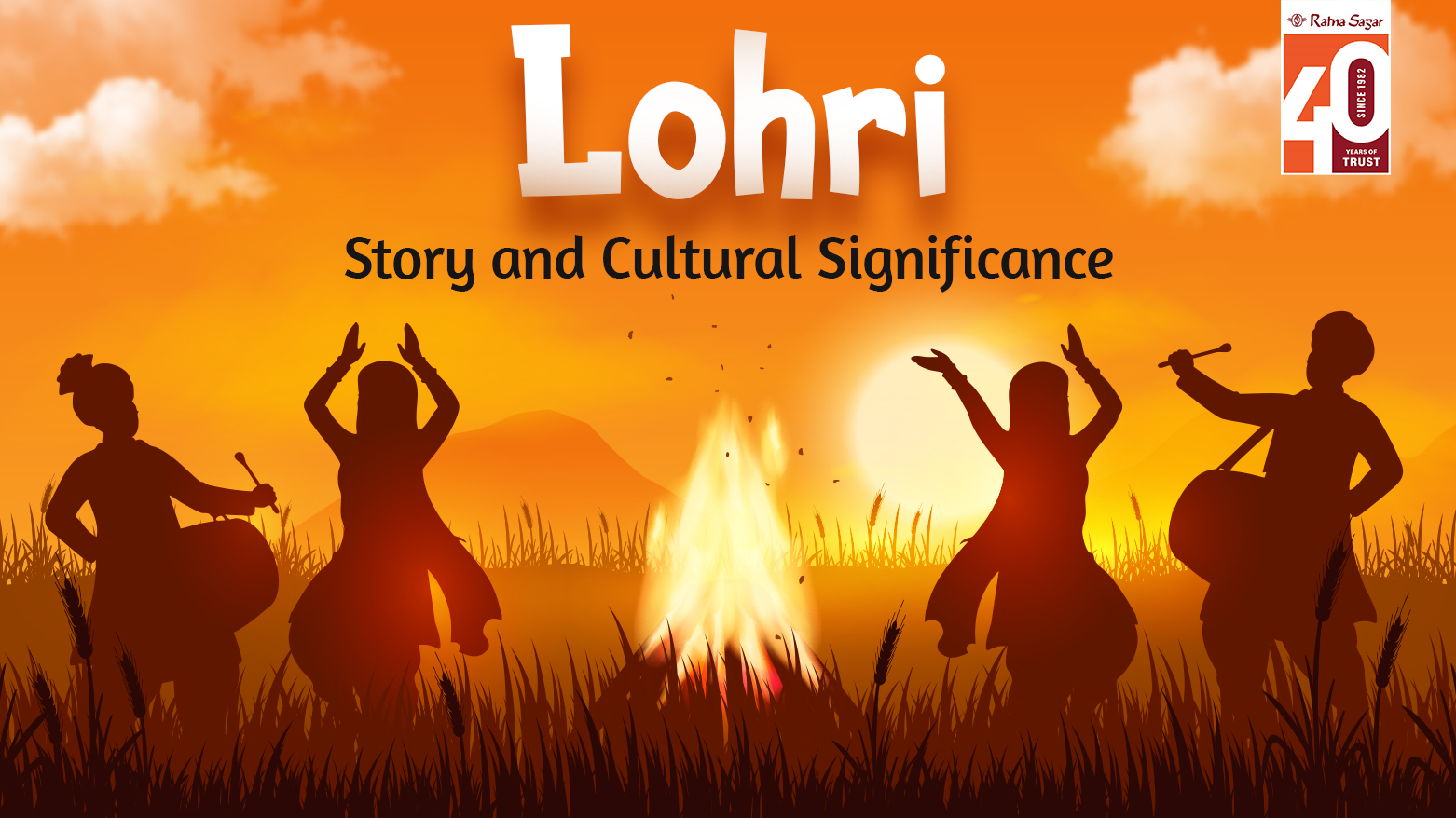
Lohri is one of the most joyous festivals celebrated in North India, marking the end of winter and the beginning of longer, warmer days. This vibrant festival brings families together around bonfires, filled with music, dance and traditional foods. But why we celebrate Lohri goes beyond just the harvest season—it's deeply rooted in ancient stories, agricultural traditions and cultural values that have been passed down through generations.
The Lohri Story: Ancient Legends and Folklore
The Lohri story for kids is beautifully woven with mythology and history. One of the most popular legends associated with Lohri is the tale of Dulla Bhatti, a legendary figure from Punjab during the reign of Mughal Emperor Akbar. Dulla Bhatti was known as a Robin Hood-like hero who helped the poor and rescued girls from being forcibly taken and sold into slavery.
The most famous Lohri story involves two girls, Sundri and Mundri, whom Dulla Bhatti saved and arranged their marriages like a caring father. During Lohri celebrations, people sing traditional songs that honor Dulla Bhatti's bravery and kindness. The song goes: "Sunder mundriye ho! Tera kaun vicharaa ho! Dullah Bhatti walla ho!" This folk song keeps his legend alive in every bonfire that lights up the winter night.
Historical Significance of Lohri
The historical significance of Lohri dates back to ancient times when it was primarily an agricultural festival. Farmers celebrated the harvesting of rabi crops, particularly wheat and sugarcane, which were sown in October and harvested by Lohri time. The festival coincides with the winter solstice, marking the sun's journey northward (Uttarayan), which brings longer days and the promise of spring.
The word "Lohri" is believed to have originated from "Loi," the wife of Sant Kabir, or from "loh," meaning a large iron griddle used to prepare festive foods. The cultural significance of this festival lies in its ability to unite communities, strengthen family bonds and express gratitude to nature for its bounty.
Why We Celebrate Lohri: The Connection to Harvest Season
Understanding why we celebrate Lohri requires appreciating India's agricultural heritage. The harvest season is the backbone of rural life and Lohri serves as a thanksgiving festival. Farmers celebrate the harvest of sugarcane and the arrival of new crops with hope and gratitude.
The bonfire at the center of Lohri celebrations symbolizes the sun's warmth and light, essential for crop growth. People gather around the fire, throw offerings of sesame seeds, jaggery, peanuts and popcorn into the flames and pray for prosperity and good harvests in the coming year. This ritual represents offering gratitude to the fire god, Agni and seeking blessings for abundance.
Cultural Importance of Lohri Celebrations
The cultural importance of Lohri extends far beyond agriculture. It's a festival that celebrates new beginnings—newlyweds celebrate their first Lohri together and families with newborn babies hold special celebrations. The festival strengthens community ties as neighbors come together to sing, dance the energetic Bhangra and Gidda and share traditional foods.
Lohri also marks the beginning of the financial new year for farmers. It's a time when they settle accounts, plan for the next crop cycle and celebrate the fruits of their hard work. The cultural significance of sharing til (sesame), gur (jaggery) and rewri during Lohri symbolizes sweetness in relationships and prosperity in life.
10 Lines on Lohri for Students
Here are 10 lines on Lohri that capture the essence of this beautiful festival:
- Lohri is a popular harvest festival celebrated primarily in Punjab and North India.
- It falls on January 13th every year, marking the end of winter solstice.
- The festival celebrates the harvesting of rabi crops, especially wheat and sugarcane.
- People light bonfires and gather around them to sing traditional songs and dance.
- The legend of Dulla Bhatti, a folk hero, is an important part of Lohri celebrations.
- Families throw sesame seeds, jaggery, peanuts and popcorn into the bonfire as offerings.
- Traditional foods like sarson ka saag, makki ki roti, gajak and rewri are enjoyed during Lohri.
- The festival is especially significant for newlyweds and families with newborn babies.
- Lohri symbolizes gratitude to nature and prayers for prosperity in the coming year.
- It's a time for community bonding, cultural performances and celebrating togetherness.
A Short Essay on Lohri: Preserving Our Heritage
Writing a short essay on Lohri helps students understand and appreciate India's rich cultural tapestry. Lohri teaches us valuable lessons about gratitude, community spirit and respecting nature's cycles. In today's fast-paced world, festivals like Lohri remind us to pause, celebrate our roots and pass down traditions to future generations.
The festival showcases Punjab's vibrant culture through its folk music, energetic dances and delicious cuisine. When children learn the Lohri story, they connect with their heritage and understand the values of courage, kindness and helping others—qualities exemplified by Dulla Bhatti.
How Lohri is Celebrated Today
Modern Lohri celebrations blend tradition with contemporary elements. While urban families might have smaller bonfires, the spirit remains the same. Communities organize cultural programs, children dress in traditional attire and everyone participates in singing folk songs. The exchange of gifts, sweets and the lighting of diyas add to the festive atmosphere.
The harvest season celebration has evolved but maintains its core essence—gratitude for abundance and hope for prosperous times ahead. Educational institutions play a crucial role in keeping these traditions alive by organizing Lohri celebrations where students learn about the festival's historical significance and cultural importance.
Keeping the Lohri Spirit Alive
Lohri is more than just a festival; it's a celebration of life, community and gratitude. Understanding the Lohri story for kids, its historical significance and why we celebrate Lohri helps preserve our cultural heritage. As we gather around bonfires, sing traditional songs and share sweets, we strengthen the bonds that connect us to our past and to each other.
The cultural significance of Lohri reminds us that our festivals are living traditions that teach values, bring joy and unite communities. Whether you're writing 10 lines on Lohri or a short essay on Lohri, remember that this festival represents the timeless connection between humans and nature and the enduring spirit of celebration that defines Indian culture.
Celebrate Lohri with Ratna Sagar's Educational Resources
Want to teach your children more about Indian festivals and cultural traditions? Ratna Sagar offers comprehensive educational materials that bring festivals like Lohri to life through engaging stories, activities and lessons.
Visit www.ratnasagar.com to explore our range of books and resources that help children connect with their heritage while building essential knowledge and values. Make learning about Indian culture fun, meaningful and memorable with Ratna Sagar—your trusted partner in quality education!
Recent Posts
Martyrs' Day India | Shaheed Diwas Dates and Significance Explained
30/01/2026
Evolution of Republic Day Celebrations in India | 75 Years of History
22/01/2026
Vasant Panchami in the Classroom | Creative Educational Activities for Students
20/01/2026
Lohri Story for Kids | 10 Lines and Short Essay on Lohri
13/01/2026
Makar Sankranti, Pongal & Bihu 2026: Harvest Festival Guide for Schools | Ratna Sagar
12/01/2026