Evolution of Republic Day Celebrations in India | 75 Years of History
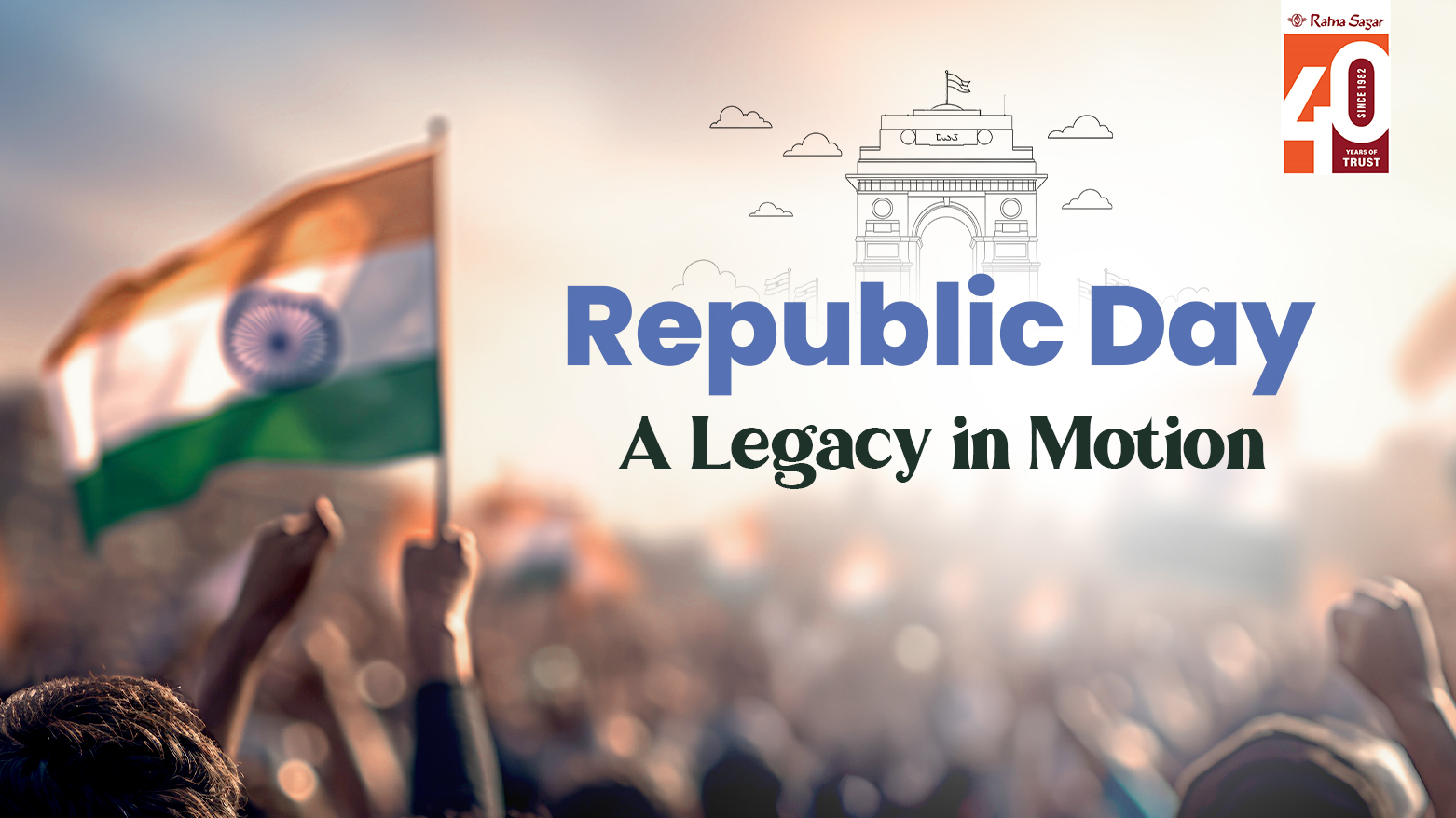
Republic Day: A Legacy in Motion
On January 26, 1950, India embarked on a historic journey as a sovereign democratic republic. Seven and a half decades later, Republic Day history India stands as a testament to the nation's enduring commitment to democracy, diversity and progress. From the first parade on Rajpath to the grand celebrations at Kartavya Path today, January 26 celebrations over the years have evolved while preserving the essence of national pride and constitutional values.
The Dawn of a Republic: 1950s-1970s
The first Republic Day parade began on January 26, 1950, when President Dr. Rajendra Prasad took the salute at the inaugural parade. Indonesia's President Sukarno became the first Republic Day chief guest in 1950, establishing a diplomatic tradition that continues today. The Beating Retreat ceremony, introduced in 1950 and held on January 29th, marks the formal end of festivities with the stirring lowering of the national flag at sunset.
As India matured through the 1960s and 70s, Republic Day chief guests history featured notable leaders including Queen Elizabeth II (1961), US President Dwight D. Eisenhower (1960) and Soviet Premier Nikolai Bulganin (1955). The parade shifted to Rajpath, introducing elaborate cultural performances with folk dances and regional traditions taking center stage alongside military displays.
Technological Triumph: 1980s-2000s
Republic Day history India during the 1980s and 90s marked technological leaps. Television broadcasts democratized access to celebrations, bringing the parade into millions of homes. The parade began showcasing indigenous defense capabilities, including missiles and aircraft developed by Indian scientists.
Republic Day chief guests during this era included Soviet leader Mikhail Gorbachev (1986), French President François Mitterrand (1989) and British Prime Minister John Major (1993). The Beating Retreat ceremony gained prominence with expanded musical repertoires and sophisticated lighting at Vijay Chowk.
As India entered the 21st century, Republic Day parade evolution embraced digital displays, laser shows and advanced sound systems. January 26 celebrations over the years reflected India's emergence as a global economic power, with tableaux showcasing achievements in information technology, space exploration and infrastructure alongside traditional culture.
Contemporary Celebrations: 2020-2025
In recent Republic Day history India witnessed unprecedented changes. The COVID-19 pandemic necessitated scaled-down celebrations with virtual viewing options reaching global audiences. The renaming of Rajpath to Kartavya Path in 2022 symbolized India's evolving identity.
Republic Day chief guests in recent years include Brazilian President Jair Bolsonaro (2020), Egyptian President Abdel Fatteh el-Sisi (2023) and French President Emmanuel Macron (2024). January 26 celebrations over years now incorporate drone shows, 3D projections and augmented reality experiences. The Beating Retreat ceremony features Indian compositions exclusively from 2022, celebrating indigenous musical heritage.
10 Lines on Republic Day
Understanding Republic Day history India begins with simple facts. Here are 10 lines on Republic Day:
- Republic Day is celebrated on January 26th every year across India.
- On this day in 1950, the Constitution of India came into effect.
- India became a sovereign democratic republic, choosing its own governance system.
- The main celebration takes place at Kartavya Path in New Delhi.
- A grand parade showcases India's military strength and cultural diversity.
- The President of India unfurls the national flag and takes the salute.
- Different states present tableaux depicting their culture and achievements.
- Distinguished foreign dignitaries are invited as chief guests to honor diplomatic relations.
- The Beating Retreat ceremony on January 29th marks the formal end of celebrations.
- Republic Day reminds us of our constitutional values of justice, liberty, equality and fraternity.
A Short Essay on Republic Day
A short essay on Republic Day helps students explore deeper significance: Republic Day: Celebrating India's Democratic Spirit Republic Day, celebrated annually on January 26th, commemorates one of the most significant milestones in Indian history. On this day in 1950, India adopted its Constitution, transforming from a British dominion into a sovereign democratic republic. This transition represented the culmination of decades of struggle for independence and the beginning of a new chapter where India would chart its own destiny.
The Constitution, drafted by Dr. B.R. Ambedkar and the Constituent Assembly, established India as a secular, socialist, democratic republic guaranteeing fundamental rights to all citizens. Republic Day celebrates not just this historic moment but the enduring values enshrined in our Constitution.
The Republic Day parade in New Delhi stands as the centerpiece of celebrations nationwide. The President unfurls the national flag and receives the salute from armed forces, paramilitary forces and NCC cadets. The parade showcases India's military capabilities, technological achievements and rich cultural heritage through colorful tableaux representing different states and ministries.
Over 75 years, Republic Day celebrations have evolved significantly. Early parades focused on military displays. Today's celebrations incorporate advanced technology, diverse cultural performances and recognition of unsung heroes. The inclusion of women in combat roles, tribal communities in tableaux and technological innovations reflects India's progressive outlook.
The tradition of inviting foreign dignitaries as chief guests strengthens diplomatic relationships and showcases India's global standing. The Beating Retreat ceremony provides a stirring conclusion with military bands performing against illuminated government buildings.
Republic Day reminds every Indian of their constitutional rights and duties. It emphasizes upholding democratic values, respecting diversity and working toward national progress. As we celebrate over seven decades of republican governance, we honor our founding fathers' vision while committing to building a stronger, more inclusive India.
This short essay on Republic Day encourages reflection on constitutional values while understanding historical significance and contemporary relevance.
Teaching Republic Day in Classrooms
Educators making January 26 celebrations over years meaningful can assign students to research Republic Day chief guests history and create presentations. Organize debates on constitutional amendments, have younger students write 10 lines on Republic Day and older students craft essays exploring Republic Day history India.
Interactive activities include creating miniature tableaux, organizing mock parades, or conducting quizzes on Republic Day parade evolution and Beating Retreat ceremony traditions. Digital projects could involve timelines showing celebrations across decades.
From 1950 to 2025, Republic Day history India narrates remarkable continuity amid constant change. January 26 celebrations over years have grown grander, more inclusive and technologically sophisticated while preserving the core spirit of constitutional pride and national unity.
Whether teaching through 10 lines and a short essay on Republic Day or organizing elaborate celebrations, we keep this legacy alive. Every tableau, every march, every note of the Beating Retreat ceremony and every moment of Republic Day parade evolution reinforces our commitment to constitutional values that define us as a nation.
Recent Posts

Navroz 2026: History, Significance & 10 Lines and A Short Essay on Navroz | Ratna Sagar
19/03/2026
10 Lines and a Short Essay on Ugadi / Gudi Padwa | Festival Essay for Students
18/03/2026
10 Lines & Short Essay on International Women's Day for Students | History & Importance
06/03/2026
10 Lines & Essay on Holi | Ratna Sagar
03/03/2026
10 Lines & Essay on National Science Day | Ratna Sagar
27/02/2026
10 Lines & Essay on International Mother Language Day for Students
20/02/2026