Martyrs' Day India | Shaheed Diwas Dates and Significance Explained
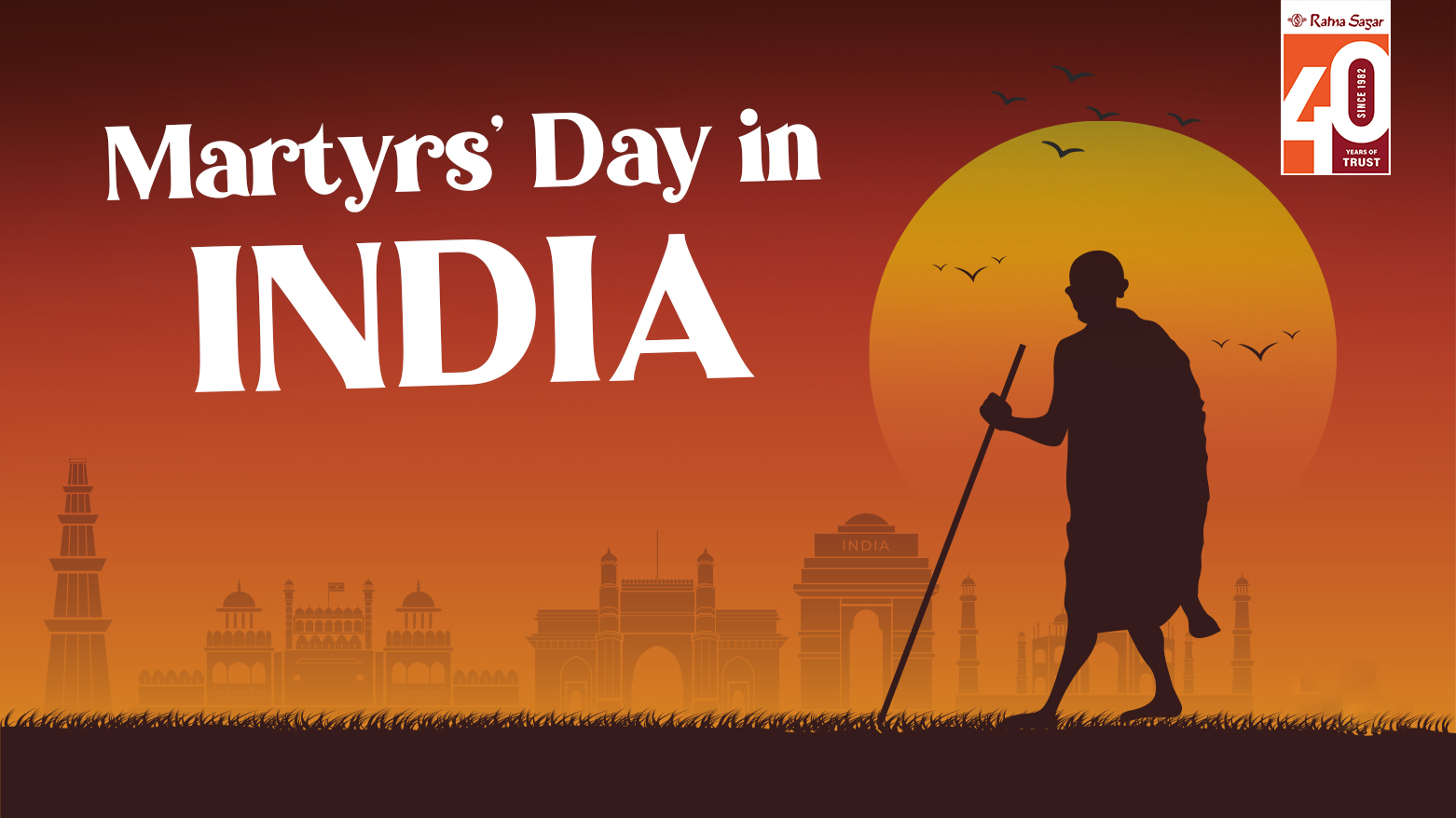
India's struggle for independence and the journey toward becoming a sovereign nation was paved with the sacrifices of countless brave souls. To honor these heroes, India observes Martyrs' Day or Shaheed Diwas on multiple dates throughout the year. Each date commemorates specific martyrs who laid down their lives for the nation's freedom and integrity. Understanding the significance of these dates helps us appreciate the depth of sacrifice that shaped modern India.
What is Martyrs' Day (Shaheed Diwas)?
Martyrs' Day, known as Shaheed Diwas in Hindi, is a day dedicated to remembering and honoring the brave freedom fighters and soldiers who sacrificed their lives for India's independence and sovereignty. Unlike many countries that observe a single Martyrs' Day, India commemorates this occasion on multiple dates, each holding unique historical significance and honoring different heroes of the nation.
January 30 Martyrs' Day: Mahatma Gandhi Death Anniversary
The most widely recognized Martyrs' Day in India falls on January 30, marking the assassination of Mahatma Gandhi in 1948. This January 30 Martyrs' Day holds profound significance as it commemorates the Father of the Nation, whose philosophy of non-violence and truth led India to independence.
On this day in 1948, Mahatma Gandhi was assassinated by Nathuram Godse during an evening prayer meeting at Birla House in New Delhi. The Mahatma Gandhi death anniversary is observed across the nation with two minutes of silence at 11 AM, the exact time when he was shot. Schools, government offices, and institutions pay homage to Bapu, reflecting on his teachings of peace, non-violence, and communal harmony.
The Shaheed Diwas significance of January 30 extends beyond remembering Gandhi alone. It serves as a reminder of the cost of freedom and the importance of upholding the values of peace and unity that he championed throughout his life.
March 23: Bhagat Singh, Sukhdev, and Rajguru
Another prominent date for observing Martyrs' Day India is March 23, which commemorates the hanging of three legendary freedom fighters: Bhagat Singh, Sukhdev Thapar, and Shivaram Rajguru in 1931. These young revolutionaries, whose courage and patriotism continue to inspire generations, were executed by British colonial authorities at Lahore Central Jail.
Bhagat Singh, at just 23 years old, became a symbol of revolutionary resistance against British rule. His famous statement, "They may kill me, but they cannot kill my ideas," resonates even today. March 23 is observed with great reverence, particularly in Punjab, Haryana, and other northern states, where cultural programs, seminars, and memorial services honor these brave souls.
Other Important Martyrs' Day Observances
October 21: Police Martyrs' Day
October 21 is observed as Police Martyrs' Day or Police Commemoration Day. This date marks the sacrifice of ten brave police personnel who were ambushed by Chinese troops at Hot Springs in Ladakh in 1959. The day honors all police personnel who have laid down their lives in the line of duty, protecting citizens and maintaining law and order.
November 19: Rani Lakshmibai's Birth Anniversary
Some regions observe Martyrs' Day on November 19 to commemorate the birth anniversary of Rani Lakshmibai of Jhansi, the fearless queen who fought valiantly against British forces during the 1857 revolt. Her courage and military leadership made her an enduring symbol of resistance and women's empowerment.
May 19: Martyrs' Day in West Bengal
West Bengal observes May 19 as Martyrs' Day, remembering those who sacrificed their lives during the Indian independence movement, particularly focusing on regional freedom fighters and martyrs.
The Significance of Multiple Martyrs' Days
The observance of Martyrs' Day India on multiple dates reflects the diverse and multifaceted nature of India's freedom struggle. From Gandhi's non-violent resistance to Bhagat Singh's revolutionary approach, from police martyrs to regional heroes, each date acknowledges different aspects of sacrifice and valor.
This diversity in commemoration ensures that:
- Regional heroes receive recognition alongside national icons
- Different ideologies and approaches to achieving freedom are honored
- Sacrifices made across different time periods remain in collective memory
- Various professions and contributions to national security are acknowledged
How India Observes Shaheed Diwas
Across the country, Martyrs' Day observances typically include:
- Two minutes of silence at designated times to pay respects
- Flag ceremonies where the national flag is flown at half-mast
- Memorial services at monuments and martyrs' memorials
- Cultural programs including patriotic songs, plays, and speeches
- Educational activities in schools teaching children about freedom fighters
- Wreath-laying ceremonies by dignitaries and citizens at memorials
- Documentary screenings and exhibitions showcasing historical events
Teaching the Next Generation
The Shaheed Diwas significance extends to educating younger generations about India's freedom struggle. Schools and educational institutions play a crucial role in keeping the memory of martyrs alive through special assemblies, essay competitions, debates, and interactive sessions where students learn about the sacrifices made for their freedom.
Understanding these heroes' stories instills values of patriotism, courage, and civic responsibility in young minds, ensuring that the spirit of sacrifice continues to inspire future generations.
Honoring Our Heroes
Martyrs' Day in India is more than just a date on the calendar. It represents the collective gratitude of a nation toward those who gave everything for its freedom and security. Whether it's the January 30 Martyrs' Day remembering Mahatma Gandhi or March 23 honoring Bhagat Singh and his comrades, each observance carries profound meaning.
As we remember these brave souls, we must also commit to upholding the values they fought for: justice, equality, freedom, and unity. Their sacrifice reminds us that the freedoms we enjoy today came at an enormous cost and should never be taken for granted.
Inspire Young Minds with Stories of Valor
At Ratna Sagar, we believe in nurturing informed and patriotic citizens through quality educational content. Our comprehensive range of books and learning materials includes engaging narratives about India's freedom struggle, biographies of freedom fighters, and educational resources that bring history to life for students.
Explore our collection of history and social studies materials designed to help students connect with India's rich heritage and understand the sacrifices made by our heroes. Visit our website today to discover resources that make learning about our nation's journey both engaging and meaningful.
Let's educate, inspire, and empower the next generation together!
Recent Posts

Navroz 2026: History, Significance & 10 Lines and A Short Essay on Navroz | Ratna Sagar
19/03/2026
10 Lines and a Short Essay on Ugadi / Gudi Padwa | Festival Essay for Students
18/03/2026
10 Lines & Short Essay on International Women's Day for Students | History & Importance
06/03/2026
10 Lines & Essay on Holi | Ratna Sagar
03/03/2026
10 Lines & Essay on National Science Day | Ratna Sagar
27/02/2026
10 Lines & Essay on International Mother Language Day for Students
20/02/2026