Vasant Panchami in the Classroom | Creative Educational Activities for Students
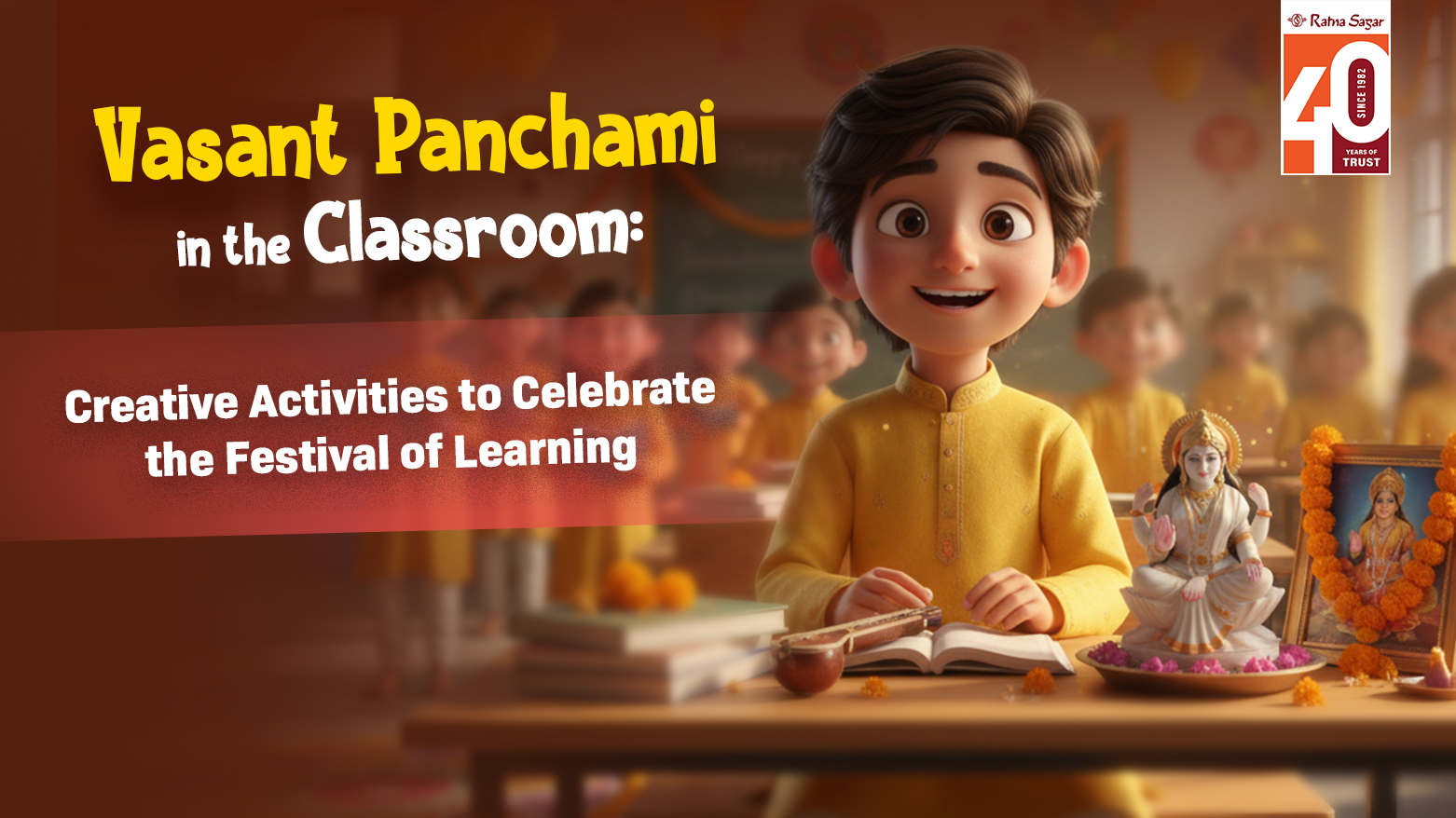
Vasant Panchami in the Classroom: Creative Activities to Celebrate the Festival of Learning
Vasant Panchami, the vibrant spring festival dedicated to Goddess Saraswati, offers educators a golden opportunity to blend cultural learning with creative classroom engagement. As schools across India prepare to celebrate this festival of learning, teachers can transform their classrooms into hubs of cultural exploration and academic enrichment. This guide presents innovative Vasant Panchami activities for students that honor tradition while fostering creativity and knowledge.
Understanding the Significance of Vasant Panchami
Before diving into classroom activities, it's essential for students to understand the deeper meaning behind this spring festival. Vasant Panchami marks the arrival of spring and pays homage to Saraswati, the goddess of knowledge, music and arts. Celebrated on the fifth day of the Hindu month of Magha, this educational festival celebration holds special significance in schools where Saraswati Puja in schools has become an integral part of the academic calendar.
Creative Basant Panchami Educational Activities
1. Saraswati Vandana for Students
Begin the day with a traditional Saraswati Vandana for students. Teaching children the melodious hymns dedicated to the goddess of learning creates a spiritual atmosphere while introducing them to classical music and Sanskrit verses. Even younger students can learn simple prayer songs, making this an inclusive activity that connects them to their cultural roots.
2. Vasant Panchami Crafts for Kids
Hands-on craft activities bring the festival to life. Students can create:
Yellow-themed Decorations: Since yellow symbolizes knowledge and prosperity, students can craft paper flowers, rangoli designs and classroom banners using vibrant yellow hues. This also serves as an excellent opportunity to discuss color symbolism in Indian culture.
Saraswati Clay Modeling: Allow students to create small clay models of Goddess Saraswati, complete with her veena (musical instrument) and swan. This Vasant Panchami craft for kids enhances fine motor skills while teaching iconography.
Book Covers and Bookmarks: Students can design decorative covers for their textbooks and create personalized bookmarks adorned with Saraswati motifs, reinforcing the festival's connection to learning.
3. Festival of Learning Celebration Through Writing
Transform the occasion into a writing workshop where students explore their creative abilities through structured compositions.
10 Lines on Vasant Panchami
Teaching students to write concise, informative content is crucial for developing their composition skills. Here's a model format for 10 lines on Vasant Panchami that educators can share:
- Vasant Panchami is a Hindu festival that celebrates the arrival of spring and honors Goddess Saraswati.
- It falls on the fifth day of the bright fortnight in the month of Magha, usually in January or February.
- Yellow is the predominant color of this festival, symbolizing prosperity, energy and knowledge.
- People worship Goddess Saraswati, the deity of wisdom, music, art and learning.
- Students place their books and pens near the goddess's idol to seek her blessings for academic success.
- Traditional foods like yellow rice, kesari halwa and boondi are prepared during this festival.
- Many schools organize special Saraswati Puja ceremonies where students participate in prayers and cultural programs.
- Children often wear yellow clothes and fly colorful kites to welcome the spring season.
- In many parts of India, young children are introduced to formal education on this auspicious day through the Vidyarambham ceremony.
- Vasant Panchami reminds us of the importance of knowledge and the pursuit of learning throughout our lives.
Students can personalize these lines based on their experiences and local traditions, making this exercise both educational and personally meaningful.
A Short Essay on Vasant Panchami
Beyond the ten-line format, students should also practice writing comprehensive essays. Here's a framework for a short essay on Vasant Panchami that teachers can use as a teaching tool:
Vasant Panchami: The Festival That Celebrates Knowledge
Vasant Panchami stands as one of the most significant festivals in the Hindu calendar, marking the transition from winter to spring while honoring Goddess Saraswati, the embodiment of wisdom and learning. This festival, celebrated with great enthusiasm across India, holds special importance for students and educators alike.
The word "Vasant" means spring and "Panchami" refers to the fifth day of the lunar month. On this day, nature awakens with new blossoms and the weather becomes pleasant, making it an ideal time to celebrate renewal and growth. The entire atmosphere is painted in shades of yellow, from the mustard fields swaying in the breeze to the traditional clothes people wear.
Goddess Saraswati, depicted in white attire seated on a lotus with a veena in her hands, represents purity of knowledge. Students across the country prepare for Saraswati Puja by cleaning their study areas and placing their books, musical instruments and art supplies near her idol. This ritual emphasizes the sacred relationship between the learner and knowledge itself.
In schools, the celebration becomes even more vibrant. Cultural programs featuring classical music, dance performances and poetry recitations fill the day with artistic expression. Teachers organize special assemblies where students learn about the festival's historical and cultural significance. The traditional practice of writing the first letters of the alphabet on this day for young children symbolizes the beginning of their educational journey.
The festival also teaches valuable lessons about respecting knowledge and our teachers. By honoring Saraswati, we acknowledge that education is not merely about academic achievement but about wisdom, creativity and the arts. The spring season itself serves as a metaphor for fresh beginnings and the blossoming of potential within every student.
Vasant Panchami reminds us that learning is a lifelong celebration and knowledge is the truest wealth we can acquire.
Conclusion
Vasant Panchami in the classroom transcends mere celebration—it becomes a powerful educational tool that connects students to their heritage while fostering creativity, critical thinking and cultural appreciation. By incorporating these Basant Panchami educational activities, schools create meaningful experiences that students cherish long after the festival ends. Whether through the structured learning of writing 10 lines and essays or through vibrant crafts and performances, this festival offers endless opportunities to make learning joyful and culturally rooted.
At Ratna Sagar, we believe in nurturing young minds through culturally enriching educational experiences. May this Vasant Panchami inspire a love for learning in every classroom across the nation.
Happy Vasant Panchami!
Recent Posts
Navroz 2026: History, Significance & 10 Lines and A Short Essay on Navroz | Ratna Sagar
19/03/2026
10 Lines and a Short Essay on Ugadi / Gudi Padwa | Festival Essay for Students
18/03/2026
10 Lines & Short Essay on International Women's Day for Students | History & Importance
06/03/2026
10 Lines & Essay on Holi | Ratna Sagar
03/03/2026
10 Lines & Essay on National Science Day | Ratna Sagar
27/02/2026
10 Lines & Essay on International Mother Language Day for Students
20/02/2026