10 Lines and A Short Essay on National Unity Day
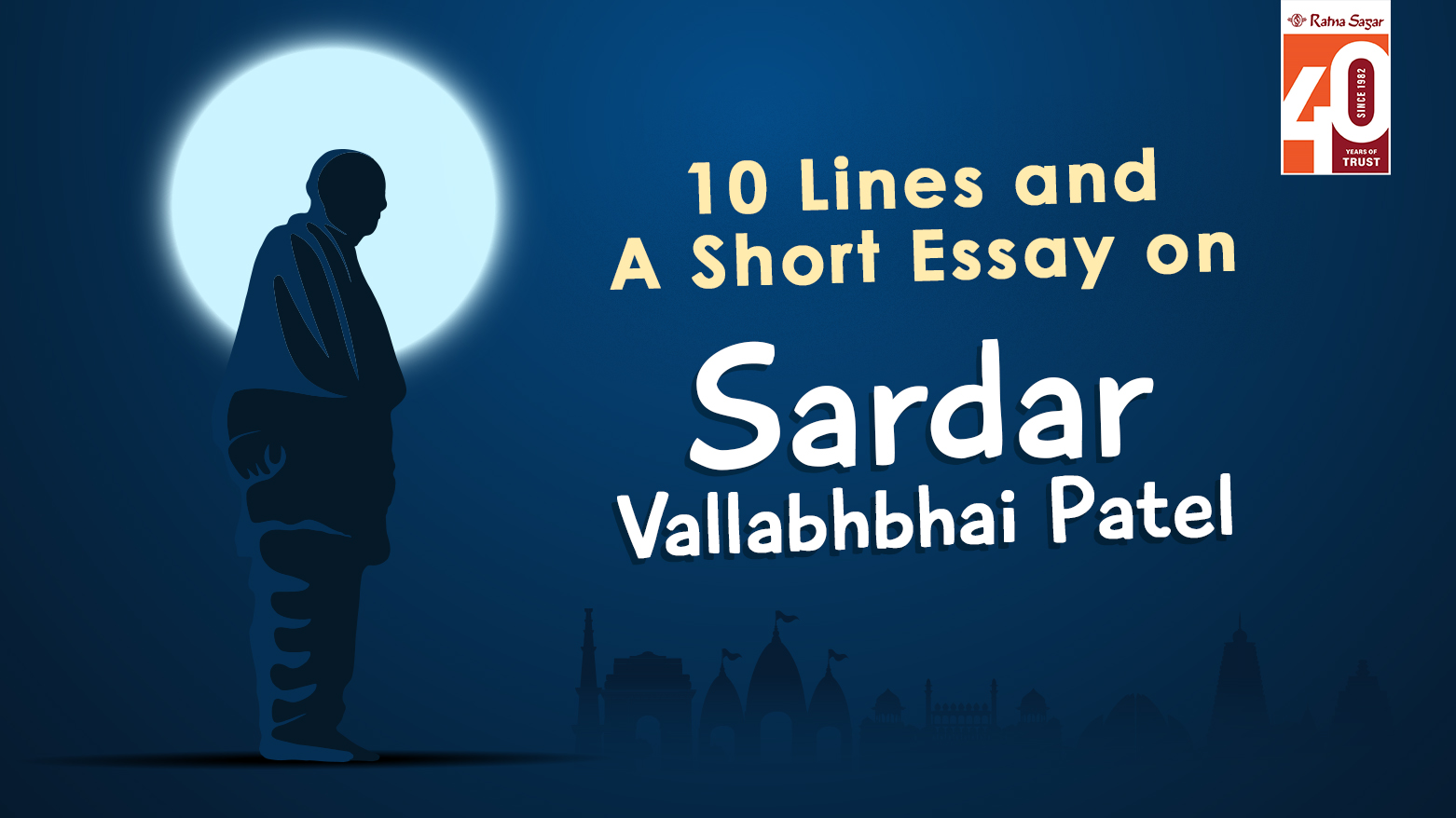
10 Lines and A Short Essay on National Unity Day
National Unity Day, also known as Rashtriya Ekta Diwas, is observed every year on October 31st to honor the birth anniversary of Sardar Vallabhbhai Patel. Known as the “Iron Man of India,” Patel played a key role in uniting the princely states after independence. This day reminds us of the strength of unity and the importance of national integration. In this blog, you will find 10 Lines on National Unity Day, followed by a short essay that explains its history, values, and modern relevance.
10 Lines on National Unity Day for Students
- National Unity Day is celebrated on October 31st every year in India.
- It marks the birth anniversary of Sardar Vallabhbhai Patel, the Iron Man of India.
- Patel played a major role in uniting the princely states after independence.
- This day honors his contribution to national integration and unity.
- Walkathons and unity runs are organized across the country on this day.
- Schools, colleges, and institutions hold debates, speeches, and essay competitions.
- People take an oath to uphold the unity and integrity of the nation.
- The Statue of Unity in Gujarat is a remarkable tribute to Patel.
- The day spreads the message of unity in diversity among all citizens.
- National Unity Day inspires us to live with patriotism and harmony.
These 10 Lines on National Unity Day help students quickly understand why this day holds special importance.
Short Essay on National Unity Day
History and Significance
National Unity Day, or Rashtriya Ekta Diwas, was introduced by the Government of India in 2014. It is celebrated every year on October 31st to honor the birth anniversary of Sardar Vallabhbhai Patel. Patel, popularly known as the “Iron Man of India,” was one of the most prominent leaders during India’s freedom struggle and its integration after independence.
The primary aim of National Unity Day is to highlight the importance of national integrity and the efforts of Patel in uniting India. At the time of independence in 1947, the country was divided into more than 560 princely states. Through his strong leadership, vision, and diplomacy, Patel made it possible to merge most of these states into the Union of India. His efforts prevented the fragmentation of the nation and ensured its unity.
Contribution of Sardar Vallabhbhai Patel
Sardar Patel’s contribution to India goes far beyond politics. He was a stalwart leader who believed that India’s strength lies in unity. Known for his firmness, he convinced the rulers of princely states to join independent India despite many challenges. His ability to maintain the nation’s integrity at such a critical time earned him the title of the “Iron Man.”
The Statue of Unity in Gujarat, the world’s tallest statue built in Patel’s honor, is a symbol of his enduring legacy. It not only commemorates his birth anniversary but also stands as a reminder of his vision of a united India.
Celebrations Across India
National Unity Day is observed across schools, colleges, and institutions with great enthusiasm. Students participate in debates, speeches, and essay competitions about Patel’s life and values. A unity pledge is taken to safeguard the oneness and integrity of the nation. Many cities organize “Run for Unity,” where people from all walks of life come together to spread the message of integration.
Apart from academic events, cultural programs and community gatherings are held to remind people of the importance of unity in diversity. The central government and state authorities also organize events near the Statue of Unity in Kevadiya, Gujarat.
Promoting Unity in Modern Times
In today’s world, unity is essential not just for national integrity but also for progress. India is a country of vast diversity, with people belonging to different religions, cultures, and languages. National Unity Day promotes the idea that despite differences, Indians are bound together by a common identity.
Unity is not only important for national security but also for creating harmony and peace in society. In a modern context, unity means respecting differences, embracing diversity, and working together for growth. This day teaches the new generation the value of cooperation and patriotism.
Values of Unity and Integrity
The central message of National Unity Day is that a nation’s strength lies in its unity. Integrity ensures that diversity does not become division, and patriotism inspires people to work for a common cause. Honoring Patel’s legacy inspires every citizen to put the nation above personal interests.
Want to explore more? Read our other articles for essays on India’s leaders, national festivals, and important days that shape our country’s unity and pride.
Conclusion
National Unity Day reminds us of the vision of Sardar Vallabhbhai Patel, who ensured that India stood as one united nation. It inspires us to live with patriotism, harmony, and respect for diversity. The celebration of this day is not just about remembering Patel but also about carrying forward his legacy of strength in unity.
Recent Posts
R K Narayan Birth Anniversary: Malgudi, Books & Legacy
06/10/2026
Gandhi Jayanti: Truth, Non-Violence and Its Relevance Today
01/10/2026
Earth and Its Shapes: Facts for Kids | Classes 2–4
24/09/2026
International Sign Language Day: 10 Lines & Short Essay
18/09/2026
Engineer's Day: 10 Lines, Short Essay & Facts About Sir M. Visvesvaraya
14/09/2026