National Doctor’s Day: History, Significance, 10 Lines & Short Essay

National Doctor’s Day: History, Significance, 10 Lines & Short Essay
Doctors are often called healers, saviours, and silent warriors of society. Every year, India dedicates a special day to honour the extraordinary contribution of the medical fraternity — National Doctor’s Day, celebrated on 1st July. This day is not just a tribute to doctors but also a reminder of the trust, compassion, and dedication that define the noble profession of medicine.
In this blog, we explore the history and significance of National Doctor’s Day, along with 10 simple lines and a short essay that students can use for school assignments, speeches, or classroom discussions.
Why is National Doctor’s Day Celebrated on 1st July?
National Doctor’s Day is celebrated in India on 1st July to commemorate the birth and death anniversary of Dr. Bidhan Chandra Roy, one of India's most respected physicians and the second Chief Minister of West Bengal. Dr. Roy was born on 1st July 1882 and passed away on the same date in 1962. In recognition of his remarkable contributions to medicine, education, and public life, the Government of India honoured him with the Bharat Ratna, the country's highest civilian award, in 1961.
Since 1991, India has observed this day annually to celebrate the invaluable role doctors play in saving lives, curing illnesses, and caring for the sick, especially during times of crisis such as pandemics and natural disasters.
Significance of National Doctor’s Day
The significance of this day goes far beyond a simple celebration. It serves several important purposes:
- Recognising Sacrifice: Doctors often work long hours, sacrificing personal time and comfort to care for patients.
- Building Awareness: The day encourages people to be more mindful of health, hygiene, and preventive care.
- Honouring Frontline Workers: Especially after the COVID-19 pandemic, the world has recognised doctors as true frontline heroes.
- Inspiring the Youth: It motivates young students to consider medicine as a meaningful career path rooted in service to humanity.
Schools, hospitals, and organisations across India mark the day with seminars, felicitation ceremonies, and appreciation events for doctors and healthcare workers.
10 Lines on National Doctor’s Day
Here are 10 simple lines on National Doctor’s Day, ideal for young learners:
- National Doctor’s Day is celebrated every year on 1st July in India.
- It honours the birth and death anniversary of Dr. Bidhan Chandra Roy.
- Dr. B.C. Roy was a famous physician and former Chief Minister of West Bengal.
- He was awarded the Bharat Ratna for his contribution to society.
- The day was first observed in the year 1991.
- It is dedicated to thanking doctors for their care and service.
- Doctors work day and night to treat and heal patients.
- Many schools and hospitals organise events to celebrate this day.
- The day reminds us to respect and value the medical profession.
- It encourages young students to consider a career in medicine.
Short Essay on National Doctor’s Day
Doctors play one of the most important roles in our society. They dedicate their lives to treating illnesses, healing wounds, and providing comfort to patients and their families. Recognising this immense contribution, India celebrates National Doctor’s Day every year on 1st July.
This date holds special significance as it marks the birth and death anniversary of Dr. Bidhan Chandra Roy, a legendary physician who was also the second Chief Minister of West Bengal. Dr. Roy was not only an excellent doctor but also a visionary leader who contributed greatly to public health, education, and urban development in India. His remarkable service to the nation earned him the Bharat Ratna in 1961, and since 1991, this day has been observed in his honour.
National Doctor’s Day is a time to reflect on the challenges doctors face daily. From working in remote villages with limited resources to handling emergencies in the middle of the night, doctors often put their patients' well-being above their own comfort. The COVID-19 pandemic further highlighted their courage, as countless doctors risked their own health to save others.
On this day, students, institutions, and communities express gratitude towards doctors through various activities such as thank-you notes, seminars, and felicitation ceremonies. Schools also use this occasion to teach children about the importance of the medical profession and inspire them to develop empathy and a sense of service towards society.
In conclusion, National Doctor’s Day is a heartfelt tribute to all those who dedicate their lives to healing others. It reminds us to value good health, appreciate the hard work of medical professionals, and encourage future generations to pursue careers that serve humanity.
Learn More with Ratna Sagar
Continue your learning with more essays on World Day Against Child Labour and a diverse collection of educational resources at Ratna Sagar. Our curated learning materials are designed to help young minds learn, explore, and grow.
Recent Posts

International Day of the Girl Child: 10 Lines & Essay
09/10/2026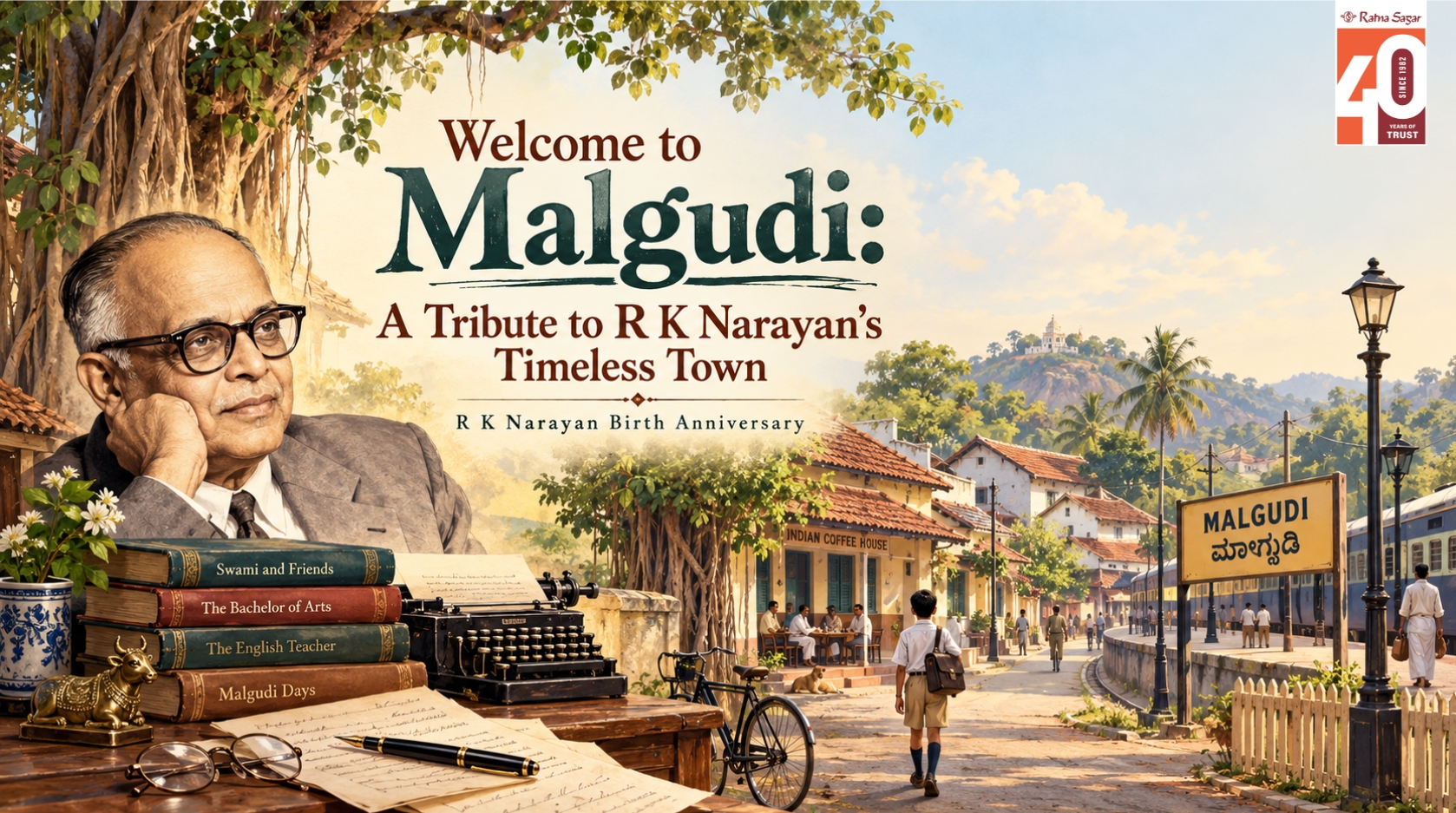
R K Narayan Birth Anniversary: Malgudi, Books & Legacy
06/10/2026
Gandhi Jayanti: Truth, Non-Violence and Its Relevance Today
01/10/2026
Earth and Its Shapes: Facts for Kids | Classes 2–4
24/09/2026
International Sign Language Day: 10 Lines & Short Essay
18/09/2026
Engineer's Day: 10 Lines, Short Essay & Facts About Sir M. Visvesvaraya
14/09/2026