Eid al-Adha: 10 Lines & Short Essay for Students
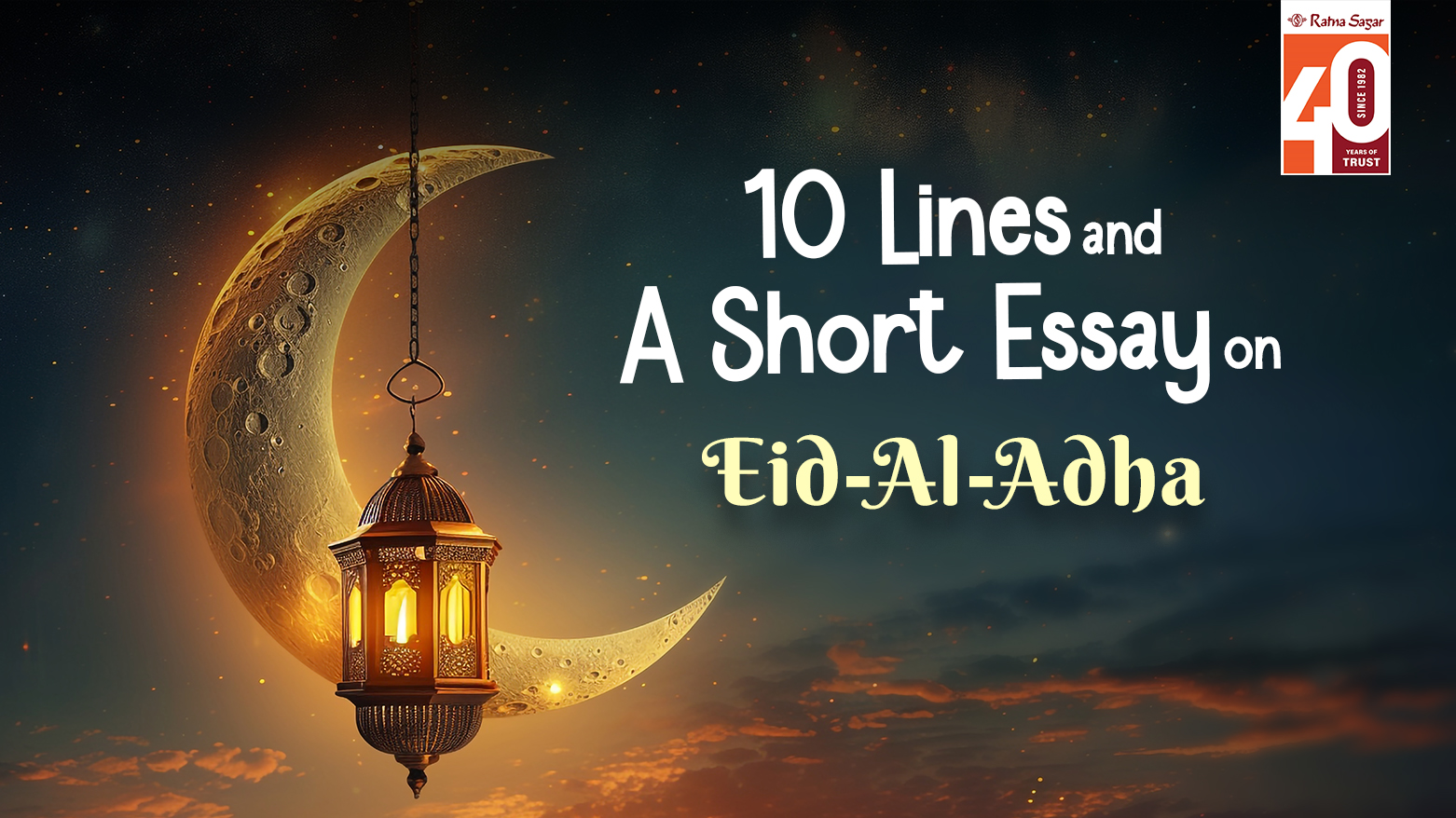
Eid al-Adha: 10 Lines and a Short Essay for Students
Eid al-Adha — also known as the "Festival of Sacrifice" or Bakrid — is one of the most sacred and joyous celebrations in the Islamic calendar. Observed by millions of Muslims across the world, this festival commemorates the unwavering devotion of Prophet Ibrahim (Abraham) to Allah. For students writing essays or preparing for school assignments, understanding Eid al-Adha is both an enriching and important experience. At Ratna Sagar, we believe that learning about diverse festivals fosters empathy, cultural appreciation, and a broader worldview in young learners.
10 Lines on Eid al-Adha
- Eid al-Adha is a major Islamic festival celebrated by Muslims all over the world.
- It is also known as Bakrid, Bakra Eid, or the "Festival of Sacrifice."
- The festival falls on the 10th day of Dhul Hijjah, the last month of the Islamic lunar calendar.
- It commemorates the willingness of Prophet Ibrahim to sacrifice his son as an act of obedience to Allah.
- As Ibrahim was about to sacrifice his son, Allah replaced him with a ram — marking the origin of the tradition of animal sacrifice (Qurbani).
- On this day, Muslims offer special prayers (Salat) at mosques in the morning.
- After prayers, an animal such as a goat, sheep, cow, or camel is sacrificed as part of the Qurbani ritual.
- The meat from the sacrifice is divided into three equal parts — one for the family, one for relatives and friends, and one for the poor and needy.
- People wear new clothes, exchange greetings of "Eid Mubarak," and share sweets and meals with loved ones.
- Eid al-Adha teaches the values of faith, selflessness, gratitude, and the spirit of sharing.
Short Essay on Eid al-Adha (150–200 words)
Eid al-Adha is one of the two most important festivals in Islam, the other being Eid al-Fitr. Celebrated on the 10th of Dhul Hijjah, it marks the end of the annual Hajj pilgrimage to Mecca and honours the devotion of Prophet Ibrahim to Allah.
According to Islamic belief, Allah commanded Prophet Ibrahim to sacrifice his beloved son Ismail as a test of faith. Ibrahim agreed without hesitation. Moved by his obedience, Allah replaced Ismail with a ram at the last moment. This event is remembered every year through the ritual of Qurbani (animal sacrifice).
The day begins with a special congregational prayer at mosques. Families gather, dressed in their finest clothes, to celebrate together. The sacrificed animal's meat is generously distributed — especially to the poor — reinforcing the festival's deep message of compassion and equality.
Beyond its religious significance, Eid al-Adha is a celebration of community, generosity, and gratitude. It reminds us that true devotion involves putting faith above personal attachments — a lesson that resonates with people of all backgrounds.
The Significance of Eid al-Adha
Eid al-Adha holds a dual significance in the Islamic world. First, it marks the culmination of the Hajj pilgrimage — the fifth pillar of Islam — which millions of Muslims undertake every year to the holy city of Mecca, Saudi Arabia. Second, it honours the supreme act of sacrifice by Prophet Ibrahim, who demonstrated complete submission to the will of God.
The word "Adha" comes from the Arabic root meaning "sacrifice" or "offering." This spirit of offering — whether it is an animal, time, or personal comfort — for the greater good is the heart of this festival.
The Ritual of Qurbani
The Qurbani (sacrifice) is perhaps the most defining ritual of Eid al-Adha. It is obligatory for every Muslim who is financially capable. The animal must meet specific criteria — it should be healthy, of a certain age, and free from defects. The act symbolises the surrender of personal desires in devotion to Allah.
Importantly, the meat is never wasted. It is divided into three equal portions:
- One-third for the family
- One-third for friends and neighbours
- One-third for those in need
This tradition beautifully ensures that even the less fortunate participate in the joy of the festival.
How Eid al-Adha Is Celebrated in India
India, home to one of the largest Muslim populations in the world, celebrates Eid al-Adha with great enthusiasm and warmth. From the lanes of Old Delhi to the streets of Hyderabad, Lucknow, and Mumbai, the festival brings communities together in a spirit of brotherhood and festivity.
Mosques are filled to capacity for the morning Namaz. Markets bustle days before the festival with people buying livestock, new clothes, and gifts. Kitchens fill with the aroma of biryani, seviyan, haleem, and other traditional dishes. Neighbours — regardless of religion — are invited to share in the celebration, making Eid al-Adha a truly inclusive, national festival of joy.
What Students Can Learn from Eid al-Adha
At Ratna Sagar, we encourage students to look beyond textbooks and learn from the world around them. Eid al-Adha offers several powerful life lessons:
- Faith and Devotion: Doing what is right even when it is difficult.
- Generosity: Sharing what you have with those who have less.
- Gratitude: Being thankful for life's blessings.
- Community: Celebrating together, regardless of differences.
- Empathy: Recognising and responding to the needs of others.
These values align beautifully with the holistic education philosophy that Ratna Sagar has championed for over four decades.
Conclusion
Eid al-Adha is far more than a religious occasion — it is a universal message of love, sacrifice, and togetherness. Whether you are a student writing a school essay, a teacher preparing a lesson plan, or simply someone curious about the world's rich cultural traditions, understanding Eid al-Adha deepens your appreciation of humanity's shared values.
At Ratna Sagar, we are committed to nurturing curious, compassionate, and culturally aware learners. Explore our wide range of school books, moral science titles, and value education resources to help young minds grow into thoughtful global citizens.
Recent Posts
Planning a Picnic: Class 1 English Learning
13/10/2026
International Day of the Girl Child: 10 Lines & Essay
09/10/2026
R K Narayan Birth Anniversary: Malgudi, Books & Legacy
06/10/2026
Gandhi Jayanti: Truth, Non-Violence and Its Relevance Today
01/10/2026
Earth and Its Shapes: Facts for Kids | Classes 2–4
24/09/2026
International Sign Language Day: 10 Lines & Short Essay
18/09/2026Recommended Books