10 Lines & Short Essay on International Women's Day for Students | History & Importance

10 Lines & Essay on International Women's Day
Every year on March 8th, the world pauses — even if just for a moment — to honour the women who shape our homes, our classrooms, our communities and our country. International Women's Day isn't just a date on the calendar. It's a reminder that half the world's population deserves equal respect, equal opportunities and equal celebration.
What Is International Women's Day?
International Women's Day (IWD) is observed every year on 8th March. It is a global celebration of the social, economic, cultural and political achievements of women. It also serves as a call to action for accelerating gender equality across the world.
The roots of this day go back to the early 1900s when women began demanding better working conditions and the right to vote. The United Nations officially recognised March 8th as International Women's Day in 1977 and since then it has grown into a truly global event observed across 100+ countries.
10 Lines on International Women's Day
Here are 10 simple and meaningful lines on International Women's Day, perfect for young learners:
- International Women's Day is celebrated every year on 8th March.
- It is a day to honour and appreciate all the women in our lives.
- Women play many important roles — as mothers, teachers, doctors and leaders.
- This day reminds us to treat girls and women with respect and kindness.
- It started in the early 1900s when women fought for their rights.
- The United Nations officially recognised this day in 1977.
- Schools, offices and communities celebrate this day with events and programmes.
- The theme for International Women's Day changes every year to highlight different issues.
- We should ensure that every girl gets the chance to learn, grow and lead.
- International Women's Day teaches us that a world with equal opportunities is a better world for everyone.
A Short Essay on International Women's Day
International Women's Day, celebrated every year on 8th March, is one of the most important days in the global calendar. It's a day that belongs to every woman — young and old, from every corner of the world. But more than a celebration, it is a movement. A movement that says: women matter, women lead and women deserve every right that the world has to offer.
History and Origin
The story of International Women's Day begins more than a century ago. In 1908, thousands of women workers marched through New York City demanding shorter working hours, better pay and the right to vote. This spirit of resistance and resilience sparked a global conversation. In 1910, Clara Zetkin, a German activist, proposed an International Women's Day at an international conference in Copenhagen. Two years later, the first official International Women's Day was celebrated in several countries.
In 1977, the United Nations gave this day its official recognition, urging member states to observe March 8th as a day of women's rights and world peace. Since then, it has become a truly universal occasion.
Why This Day Matters
Despite decades of progress, gender equality is still a work in progress. Around the world, girls are denied education, women are underpaid for the same work as men and millions face discrimination simply because of their gender. International Women's Day brings these issues to the forefront — not to spread despair, but to drive change.
In India, this day holds special significance. Women like Savitribai Phule, Kalpana Chawla, Indira Gandhi and Mary Kom have broken barriers and proved that the potential of women knows no limits. International Women's Day is a reminder that their stories deserve to be told — in classrooms, at home and in the media.
How It Is Celebrated
International Women's Day is celebrated in countless ways across the globe. Schools organise speech competitions, essay writing and drawing activities. Colleges hold seminars and panel
discussions. Workplaces honour their female employees. Governments announce policies and schemes for women's welfare. On a personal level, many people take the day as an opportunity to thank and appreciate the women in their lives — their mothers, sisters, teachers and friends.
Each year, there is a theme for International Women's Day that focuses on a specific issue. These themes guide discussions and actions throughout the year, keeping the conversation around women's rights alive beyond just one day.
Conclusion
International Women's Day is not just about celebrating women — it is about reimagining a world where every woman and girl can live with dignity, freedom and opportunity. It is about making sure that the next generation grows up believing in equality — not as a slogan, but as a way of life.
As students and young citizens of India, we carry the responsibility of building this future. Let International Women's Day be the reminder we need — every single year — to keep walking towards it.
Quick Facts About International Women's Day
- Date: 8th March every year
- Founded: The movement began in 1908; officially recognised by the UN in 1977
- Colour: Purple (symbolising justice and dignity), Green (hope), White (purity)
- Purpose: Celebrate women's achievements and push for gender equality
- Theme-based: A new theme is chosen each year by the UN and IWD global campaign
- Observed in: 100+ countries worldwide, including India
Make Learning About Women's Day Meaningful for Your Child
At Ratna Sagar, we believe that education goes beyond textbooks. Our carefully crafted books and learning resources are designed to help children understand values like equality, empathy and respect — the building blocks of a better society.
Explore our range of school books, activity resources and teacher guides — designed to make every child curious, confident and compassionate.
Recent Posts
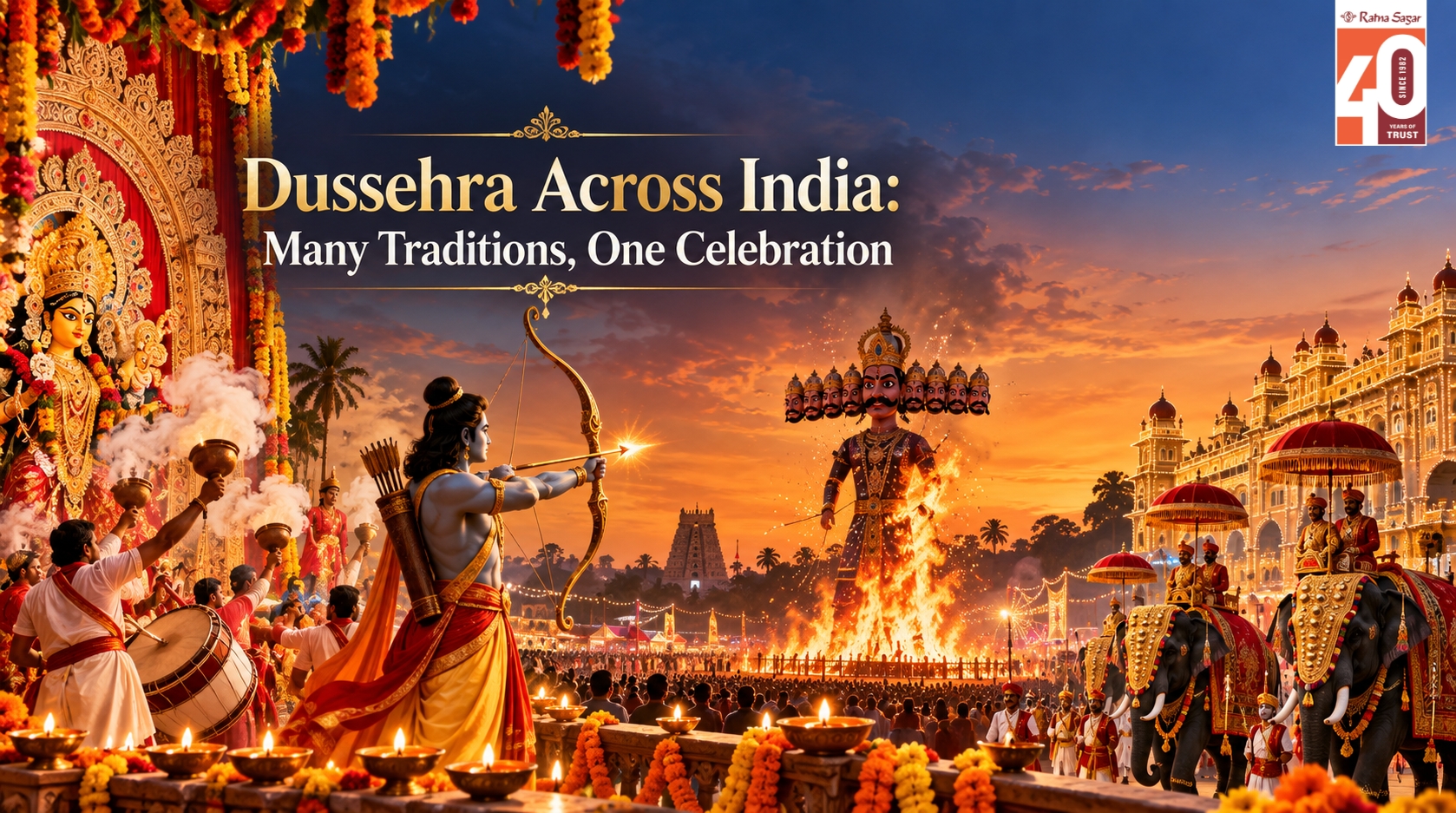
Dussehra Across India: Traditions, Stories & 10 Lines and a Short Essay on Dusshera
15/10/2026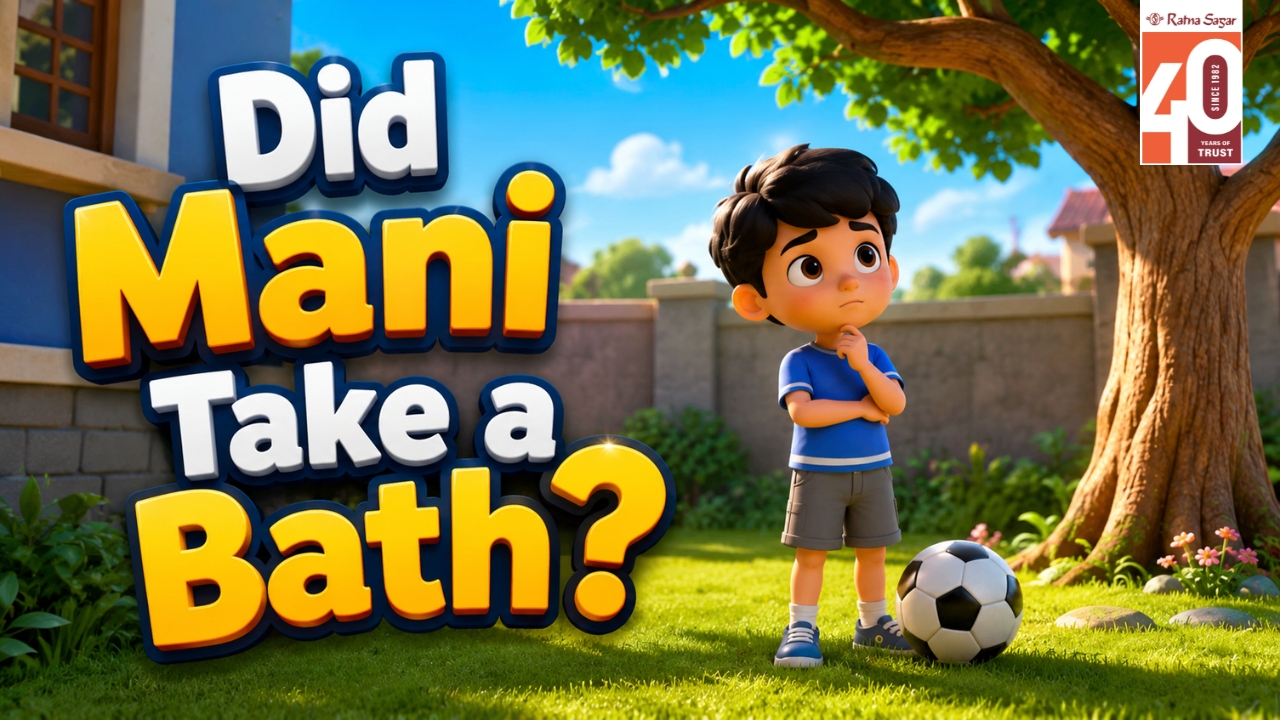
Did Mani Take a Bath? | Personal Hygiene for Kids
15/10/2026
Planning a Picnic: Class 1 English Learning
13/10/2026
International Day of the Girl Child: 10 Lines & Essay
09/10/2026
R K Narayan Birth Anniversary: Malgudi, Books & Legacy
06/10/2026
Gandhi Jayanti: Truth, Non-Violence and Its Relevance Today
01/10/2026
Earth and Its Shapes: Facts for Kids | Classes 2–4
24/09/2026Recommended Books