10 Lines and A Short Essay on P. N. Panicker
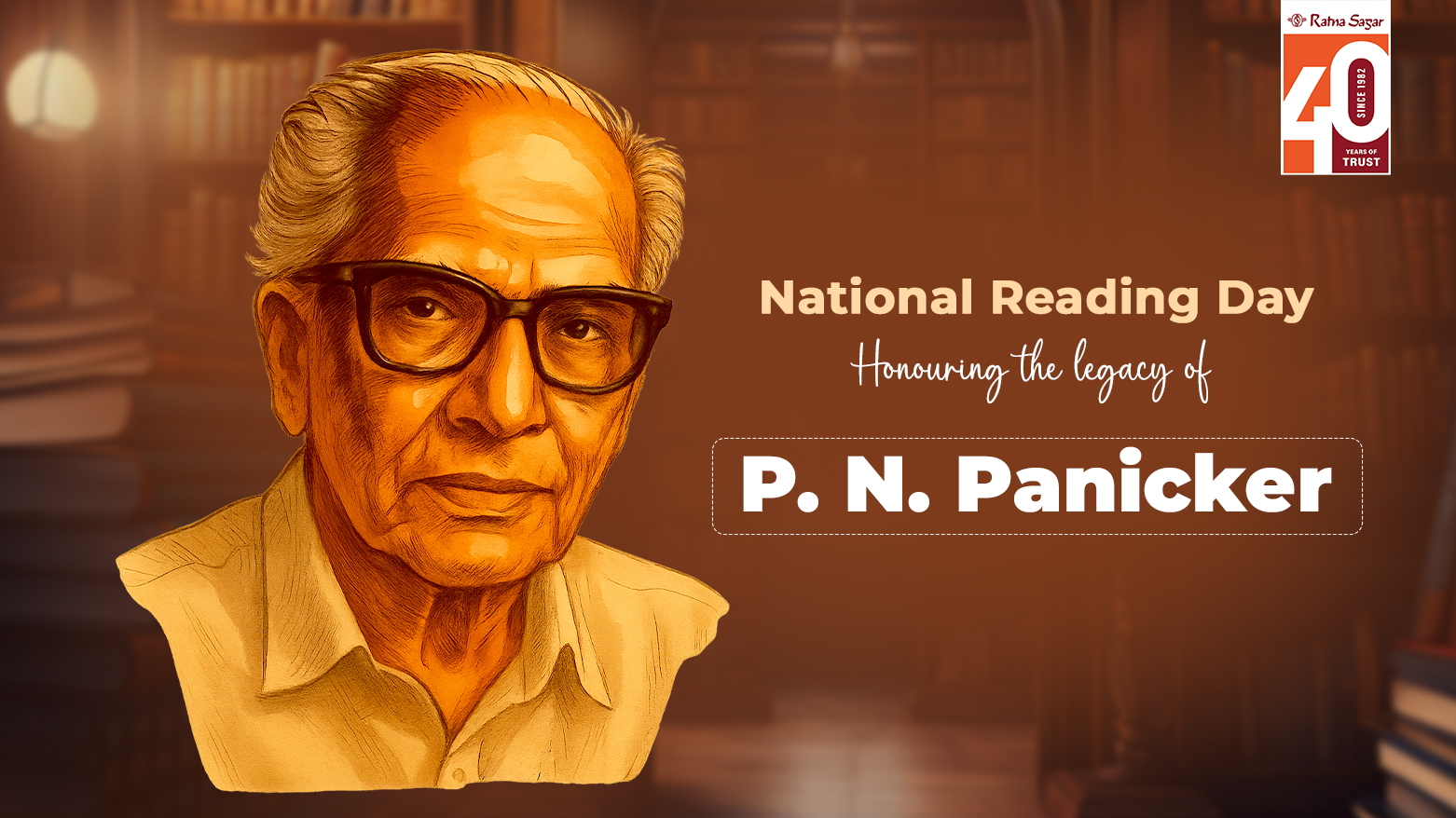
10 Lines and A Short Essay on P. N. Panicker
Puthuvayil Narayana Panicker, also known as P. N. Panicker, was a great Indian teacher and social reformer. He is most famous as the father of the library movement in Kerala. His efforts helped many people in Kerala to become educated and aware. He believed that reading and learning could change lives. These 10 lines and a short essay on P. N. Panicker will tell you about his life, work and achievements in a simple way.
10 Lines on P. N. Panicker
- P. N. Panicker was a great Indian teacher and social reformer.
- His full name was Puthuvayil Narayana Panicker.
- He is known as the father of the library movement in Kerala.
- He was born on March 1, 1909, in Neelamperoor, Kerala.
- He believed that reading and education could change people’s lives.
- In 1945, he started the library movement by forming the Travancore Library Association.
- His motto was “Read and Grow.”
- Because of his work, Kerala became one of the most literate states in India.
- June 19 is celebrated as National Reading Day in his honour.
- P. N. Panicker passed away on June 19, 1995, but his legacy lives on.
Short Essay on P. N. Panicker
Puthuvayil Narayana Panicker was born on March 1, 1909, in a small village called Neelamperoor in the Alappuzha district of Kerala. His family was simple and he grew up in a humble home. From a young age, he was interested in books and learning. He completed his education and started working as a teacher. As a teacher, he saw that many people in the villages did not know how to read or write. This made him very sad and he wanted to change it.
Starting the Library Movement
In 1945, P. N. Panicker started the library movement by founding the Thiruvithaamkoor Granthasala Sangham (Travancore Library Association) with just 47 libraries. His dream was to spread reading habits among all people, especially in rural areas. He wanted to make sure that everyone had access to books. His slogan was “Read and Grow,” which inspired many people.
Because of his hard work and leadership, the library network grew fast. Soon, there were hundreds of libraries in Kerala. These libraries were not just places for books but also centres for learning and community development. People came there to read newspapers, attend classes and take part in discussions. This helped them become more aware of the world and improved their lives.
Contributions and Achievements
The work of P. N. Panicker brought big changes to Kerala. He helped improve literacy rates and supported education for all. He believed that knowledge should be free and open to everyone. His ideas also helped in the social development of Kerala. Because of his work, Kerala became one of the most literate states in India.
Later, the government of Kerala took over the library movement and formed the Kerala State Library Council. But the role of P. N. Panicker was always remembered and respected. He continued to work for education and reading till his last days.
Recognition and Legacy
P. N. Panicker died on June 19, 1995. To honour his memory, the Government of India decided to celebrate June 19 every year as National Reading Day. The following week is observed as Reading Week and the month is known as Reading Month. This is a way to promote reading habits among children and adults across the country.
He is rightly called the father of the library movement in India. His simple idea of spreading books and reading became a powerful tool for change. His efforts have inspired many other programmes in India focused on education and literacy.
Conclusion
In conclusion, this essay on P. N. Panicker shows how one person’s dream can make a big difference. Puthuvayil Narayana Panicker was not just a teacher; he was a guide, a reformer and a leader. He gave people the light of knowledge through books. Because of P. N. Panicker, millions of people learned to read and grow. His work continues to inspire even today, reminding us of the power of reading and education.
Click here to know about other important Indian personalities:
Recent Posts
International Day of the Girl Child: 10 Lines & Essay
09/10/2026
R K Narayan Birth Anniversary: Malgudi, Books & Legacy
06/10/2026
Gandhi Jayanti: Truth, Non-Violence and Its Relevance Today
01/10/2026
Earth and Its Shapes: Facts for Kids | Classes 2–4
24/09/2026
International Sign Language Day: 10 Lines & Short Essay
18/09/2026
Engineer's Day: 10 Lines, Short Essay & Facts About Sir M. Visvesvaraya
14/09/2026