Baisakhi: 10 Lines & Short Essay on Punjab’s Harvest Festival
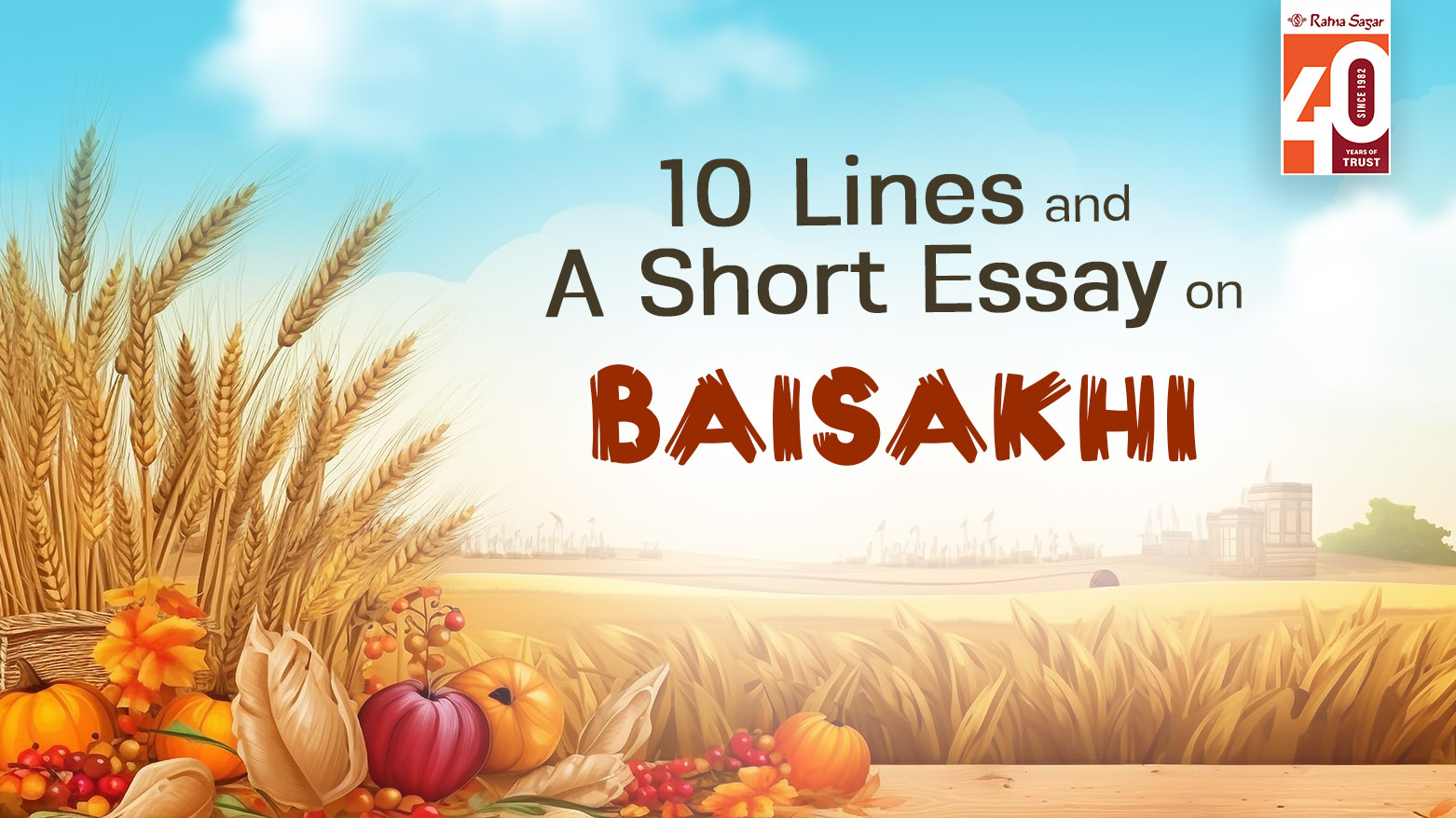
10 Lines and a Short Essay on Baisakhi
Spring breezes carry the scent of fresh wheat and gud. That's Baisakhi for you—a burst of yellow fields, dhol beats and community feasts in Punjab and beyond. Falling on April 13 or 14, this harvest festival lights up lives. For kids scribbling essays or families planning mela visits, here's your go-to: 10 lines and a short essay on Baisakhi. Straight from the heart of North India, perfect for CBSE notebooks.
Remember last year? Giddha dances under starry skies, sarson da saag steaming hot. Let's harvest some knowledge first with quick lines, then a cozy essay.
10 Lines on Baisakhi
These 10 lines on Baisakhi are crisp for Class 1 to 8 projects. Jot them down and color with bhangra sketches!
- Baisakhi is a vibrant harvest festival celebrated mainly in Punjab on April 13 or 14.
- It marks the Sikh New Year and the formation of the Khalsa Panth by Guru Gobind Singh in 1699.
- Farmers rejoice as Rabi crops like wheat are ready for harvest.
- People wear traditional clothes; men in kurtas, women in salwar kameez and phulkari dupattas.
- Giddha and bhangra dances fill the air with energy and joy.
- Gurudwaras overflow with kirtan, processions and langar for everyone.
- Delicious foods like makki di roti, sarson da saag and meetha lassi are savored.
- Fairs or melas feature jaggles, swings and folk games.
- Baisakhi symbolizes gratitude to nature and unity among communities.
- It reminds us of farmers' hard work and the spirit of brotherhood.
Simple yet sparkling—these lines make learning fun!
A Short Essay on Baisakhi
No 10 lines and a short essay on Baisakhi is complete without this slice-of-life tale. Picture golden fields swaying in Amritsar, 1699. Guru Gobind Singh gathered Sikhs at Anandpur Sahib, birthing the Khalsa with amrit from an iron bowl. That historic moment fused with Punjab's harvest joy to create Baisakhi.
Today, April 13 dances into 14 with unbridled zest. Dawn breaks with prayers at Golden Temple; akhand paths echo shabads. Villages erupt in bhangra—men twirling turbans, women clapping to boliyan. It's not just fun; it's thanksgiving. After months of toil, farmers cut wheat, offering the first sheaf to Waheguru.
Homes buzz with prep: atta kneading for pinni, jaggery simmering. Langar feeds thousands, no one turns away. In Delhi's streets or Uttarakhand hills, Punjabis light bonfires, share stories of Partition resilience.
Baisakhi transcends faith. Hindus see it as Vikram Samvat start; farmers nationwide hail the bounty. Yet, its Sikh roots shine brightest—five Kakaars, equality for all.
In our fast world, Baisakhi pulls us back to our roots. It teaches gratitude, hard work and seva. As a kid in Punjab, I'd chase kites post-mela, heart full. Now, teaching at Ratna Sagar, I see it in children's eyes.
Celebrate by dancing, feasting, giving. Baisakhi whispers: Harvest joy, sow kindness.
The History and Significance of Baisakhi
Roots run deep. Pre-1699, it was a solar calendar marker for sowing. Guru Gobind Singh's Khalsa baptism changed everything—brave Singhs with kes, kangha, kachera, kara, kirpan stood against tyranny.
Post-Green Revolution, Baisakhi boomed Punjab's economy. UNESCO nods to bhangra as heritage. Stats? Over 100 million join festivities yearly, per tourism data.
For culture lovers: Phulkari embroidery blooms, tej tej heys echo.
Fun Ways to Celebrate Baisakhi at Home or School
Bring the mela home:
- Cook Together: Whip up pinnis or lassi.
- Dance Party: YouTube bhangra tutorials for kids.
- Craft Corner: Make wheat sheaf models.
- Story Time: Read Sikh history from Ratna Sagar books.
- Langar Lunch: Serve simple meals to neighbors.
Recent Posts
Planning a Picnic: Class 1 English Learning
13/10/2026
International Day of the Girl Child: 10 Lines & Essay
09/10/2026
R K Narayan Birth Anniversary: Malgudi, Books & Legacy
06/10/2026
Gandhi Jayanti: Truth, Non-Violence and Its Relevance Today
01/10/2026
Earth and Its Shapes: Facts for Kids | Classes 2–4
24/09/2026
International Sign Language Day: 10 Lines & Short Essay
18/09/2026Recommended Books