Ambedkar Jayanti: 10 Lines & Short Essay on Dr. B.R. Ambedkar
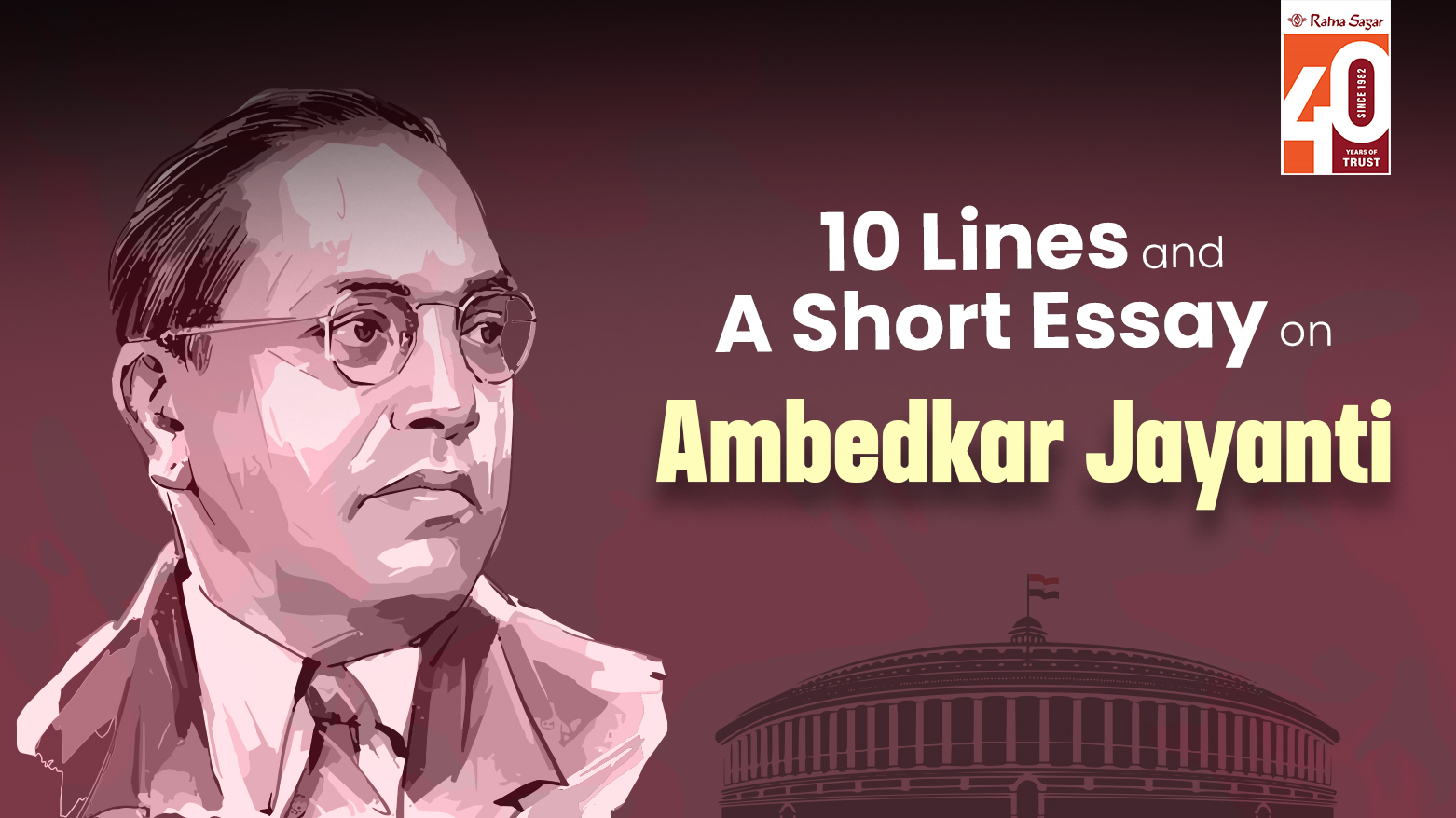
10 Lines and a Short Essay on Ambedkar Jayanti
Every year on April 14, India comes alive with tributes to a man who turned dreams of equality into reality. Ambedkar Jayanti marks the birth anniversary of Dr. Bhimrao Ramji Ambedkar, the visionary leader we fondly call Babasaheb. For students prepping speeches or essays and families joining local celebrations, here's a simple guide: 10 lines and a short essay on Ambedkar Jayanti. It's perfect for CBSE projects or just sharing his story with kids.
Picture this: bustling processions in Delhi's streets, school kids reciting poems and garlands on statues. That's the spirit of Ambedkar Jayanti. Let's dive in with quick facts first, then a touching essay.
10 Lines on Ambedkar Jayanti
These 10 lines on Ambedkar Jayanti are short, easy to remember and great for Class 1 to 10 homework. Use them as bullet points in your notebook!
- Ambedkar Jayanti is celebrated every year on April 14 to honor Dr. B.R. Ambedkar's birth in 1891.
- Dr. Ambedkar was a brilliant scholar who earned degrees from Columbia University and London School of Economics.
- He fought tirelessly against caste discrimination and untouchability in India.
- As the chief architect of the Indian Constitution, he ensured rights for all citizens.
- The day starts with prayers and floral tributes at his statues across the country.
- Processions, speeches and cultural programs highlight his life and teachings.
- Schools organize essay writing, quizzes and debates on equality and justice.
- Ambedkar Jayanti reminds us to follow his mantra: "Educate, Agitate, Organize."
- In 1990, the government declared it a public holiday to celebrate his legacy.
- Babasaheb's vision of social justice continues to inspire millions today.
These lines capture the essence without overwhelming young minds. Print them out for your child's scrapbook!
A Short Essay on Ambedkar Jayanti
10 Lines and a Short Essay on Ambedkar Jayanti wouldn't be complete without this heartfelt piece. Imagine a boy born into hardship in Mhow, Madhya Pradesh, in 1891. That was Bhimrao Ramji Ambedkar. Facing caste barriers, he walked miles to school, yet rose to become India's greatest champion of equality.
Ambedkar Jayanti, observed on April 14, celebrates this extraordinary life. From a victim of untouchability, Babasaheb transformed into the principal drafter of our Constitution in 1950. He embedded fundamental rights, abolition of untouchability and reservations for the marginalized, laying the foundation for a fair India.
The celebrations are vibrant. Temples, schools and public squares host bhajans, marches and lectures. In places like Mumbai's Chaitya Bhoomi—his cremation site—lakhs gather for homage. Kids dress as Ambedkar, reciting his quotes like "Life should be great rather than long."
His battles weren't just legal; they were personal. Leading the Mahad Satyagraha for water rights and converting to Buddhism in 1956 to escape caste chains, he showed courage. Today, Ambedkar Jayanti urges us to fight modern inequalities—be it gender bias or economic divides.
As we honor him, let's live his ideals. Education was his weapon; let's wield it for all. In a world still divided, Babasaheb's light guides us toward unity.
Why Ambedkar Jayanti Matters Today
Dr. Ambedkar wasn't just a leader; he was a reformer who believed knowledge frees the oppressed. Born into the Mahar community, he faced slurs and exclusion, yet topped exams and studied abroad. Back home, he burned copies of the Manusmriti in 1927 to protest caste rules, sparking a revolution.
Government records show over 50 million people join nationwide events. In Delhi, the Parliament House echoes with tributes. For educators like us at Ratna Sagar, it's a chance to teach through stories—our children's books on Indian heroes bring his tale alive.
Fun fact: Did you know Ambedkar wrote over 20 books? "Annihilation of Caste" remains a must-read.
How to Celebrate Ambedkar Jayanti at Home or School
Make it meaningful:
- Read Aloud: Share the 10 lines with family.
- Craft Activity: Draw Ambedkar's portrait and write one line below.
- Discussion Circle: Talk about equality using the short essay.
- Watch Videos: YouTube has great animated stories for kids.
- Plant a Tree: Symbolize growth, like his ideas.
Visit Ratna Sagar for curriculum books on great Indians—perfect for NCF 2023 alignment.
Final Thoughts: Carry Forward the Flame
Ambedkar Jayanti isn't a holiday; it's a call to action. From those 10 lines and a short essay on Ambedkar Jayanti, pick one lesson: Rise above barriers. Whether you're a student in Pitampura or a teacher in the hills, let's build the India he dreamed of.
Recent Posts
International Day of the Girl Child: 10 Lines & Essay
09/10/2026
R K Narayan Birth Anniversary: Malgudi, Books & Legacy
06/10/2026
Gandhi Jayanti: Truth, Non-Violence and Its Relevance Today
01/10/2026
Earth and Its Shapes: Facts for Kids | Classes 2–4
24/09/2026
International Sign Language Day: 10 Lines & Short Essay
18/09/2026
Engineer's Day: 10 Lines, Short Essay & Facts About Sir M. Visvesvaraya
14/09/2026