10 Lines and A Short Essay on Literacy Day
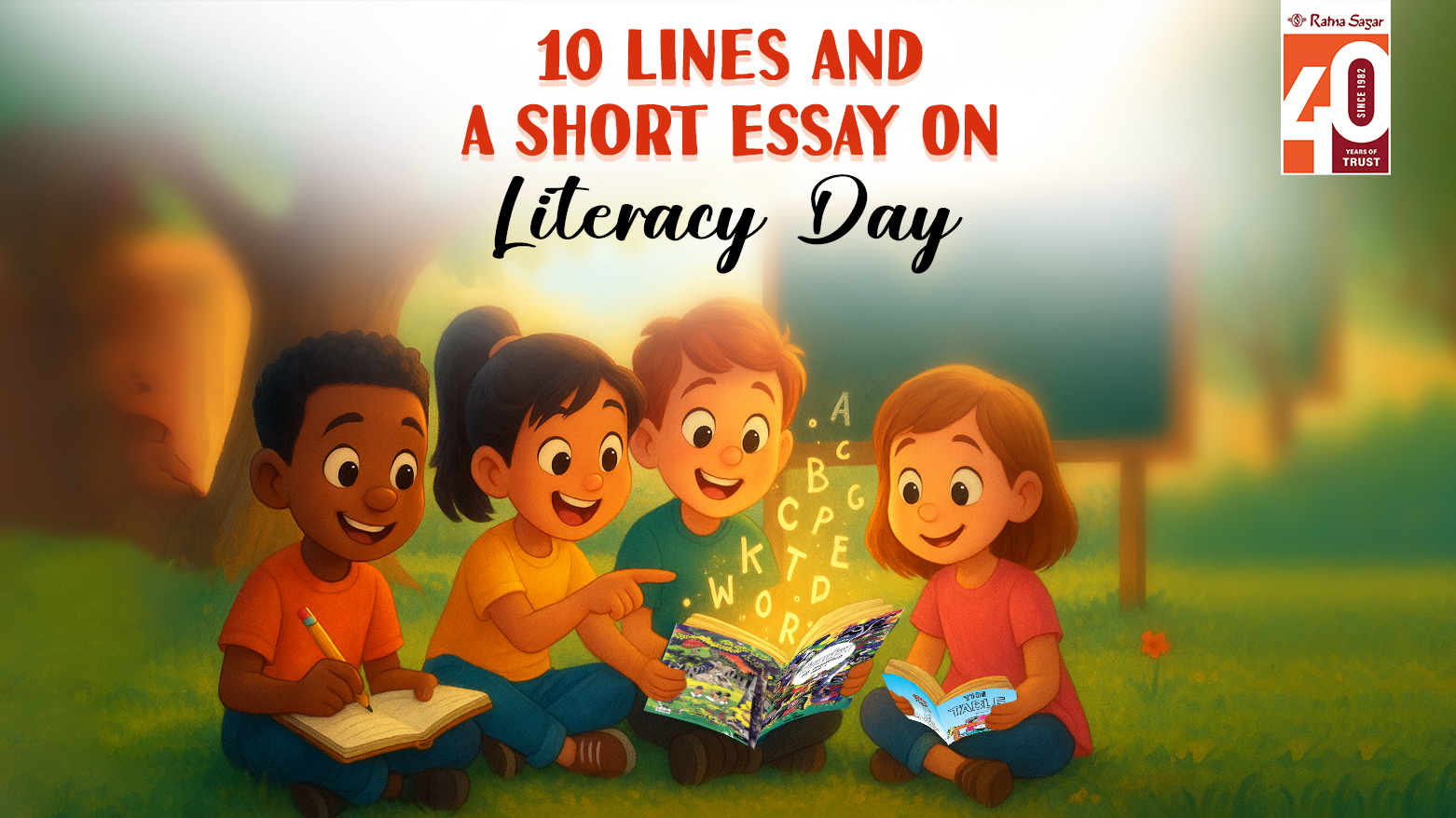
10 Lines and A Short Essay on International Literacy Day
Literacy is more than just reading words on a page—it is the gateway to knowledge, empowerment, and progress. Every year, the world celebrates International Literacy Day on 8th September to emphasize the importance of literacy in shaping individuals and societies. In this blog, you’ll first find 10 Lines on International Literacy Day—ideal for quick reference by students—followed by a short essay that highlights the significance of this global observance. At Ratna Sagar, we believe that literacy is not only an academic milestone but also a powerful tool for building better futures.
10 Lines on International Literacy Day
Here are 10 Lines that capture the essence of International Literacy Day:
- International Literacy Day is observed every year on 8th September.
- It was proclaimed by UNESCO in 1966 to promote global literacy.
- The day highlights the importance of reading, writing, and lifelong learning.
- Literacy helps individuals gain knowledge, skills, and confidence.
- This day spreads awareness about reducing illiteracy across nations.
- Each year, International Literacy Day has a unique global theme.
- Literacy is a human right and a step towards equality and empowerment.
- Governments, schools, and NGOs organize events to mark the occasion.
- Higher literacy rates contribute to stronger economies and healthier societies.
- International Literacy Day reminds us that education must reach everyone.
Why We Celebrate International Literacy Day
International Literacy Day is not just another date on the calendar—it is a reminder of the power that comes with literacy. Initiated by UNESCO in 1966, the day calls attention to the global challenge of illiteracy. For millions around the world, the inability to read or write is more than a personal struggle; it is a barrier that limits opportunities, locks people in cycles of poverty, and hinders social development.
The Importance of Literacy
Literacy is the foundation of education. Without it, children cannot progress in school, and adults cannot fully participate in society. Being literate means more than decoding words—it means being able to understand information, express ideas, and make informed decisions. A literate population is more likely to adopt healthier lifestyles, achieve economic stability, and contribute positively to democracy and governance. For instance, literate individuals can access healthcare information, apply for jobs, and understand their rights.
Global Challenges in Literacy
Despite advancements in education, UNESCO reports that millions of adults and children worldwide still lack basic literacy skills. The challenge is particularly severe in developing nations, where poverty, gender inequality, and limited educational infrastructure create barriers to learning. International Literacy Day shines a spotlight on these issues, urging governments and communities to prioritize education as a fundamental right rather than a privilege.
The Role of Schools and Educational Resources
Schools are the first step in building a literate society. Teachers, with the right support and resources, shape young minds into confident readers and thinkers. At Ratna Sagar, we understand the vital role of quality learning materials in this process. Our books and digital resources are designed to make literacy engaging and accessible, helping students not just learn to read, but to love reading. By empowering educators, we move closer to achieving the dream of universal literacy.
How International Literacy Day is Celebrated
Every year, the day is marked with a specific theme set by UNESCO, such as promoting digital literacy, inclusive education, or literacy for sustainable development. Across the globe, schools, universities, and organizations conduct awareness campaigns, debates, essay-writing competitions, and book fairs. These activities remind us that literacy is not limited to classrooms—it is a lifelong journey that must be nurtured by families, communities, and nations alike.
The Way Forward
If we are to achieve a literate world, collective action is essential. Governments must invest in education, communities must support local schools, and individuals must recognize their role in spreading knowledge. Even small steps—like reading with children, donating books, or volunteering in literacy programs—can make a difference. Literacy empowers people to dream bigger, think critically, and participate actively in building a fairer, more inclusive world.
Conclusion
International Literacy Day is not just about reading and writing—it is about transforming lives. The 10 Lines shared above provide a quick glimpse into its importance, while the essay highlights why literacy is vital for individual empowerment and global progress. At Ratna Sagar, we are committed to supporting this mission by offering resources that inspire young learners and strengthen literacy across generations. Let us celebrate this day by pledging to make education and literacy accessible to all—because when people can read, the future begins to shine brighter.
Recent Posts
R K Narayan Birth Anniversary: Malgudi, Books & Legacy
06/10/2026
Gandhi Jayanti: Truth, Non-Violence and Its Relevance Today
01/10/2026
Earth and Its Shapes: Facts for Kids | Classes 2–4
24/09/2026
International Sign Language Day: 10 Lines & Short Essay
18/09/2026
Engineer's Day: 10 Lines, Short Essay & Facts About Sir M. Visvesvaraya
14/09/2026