10 Lines and A Short Essay on Hindi Diwas
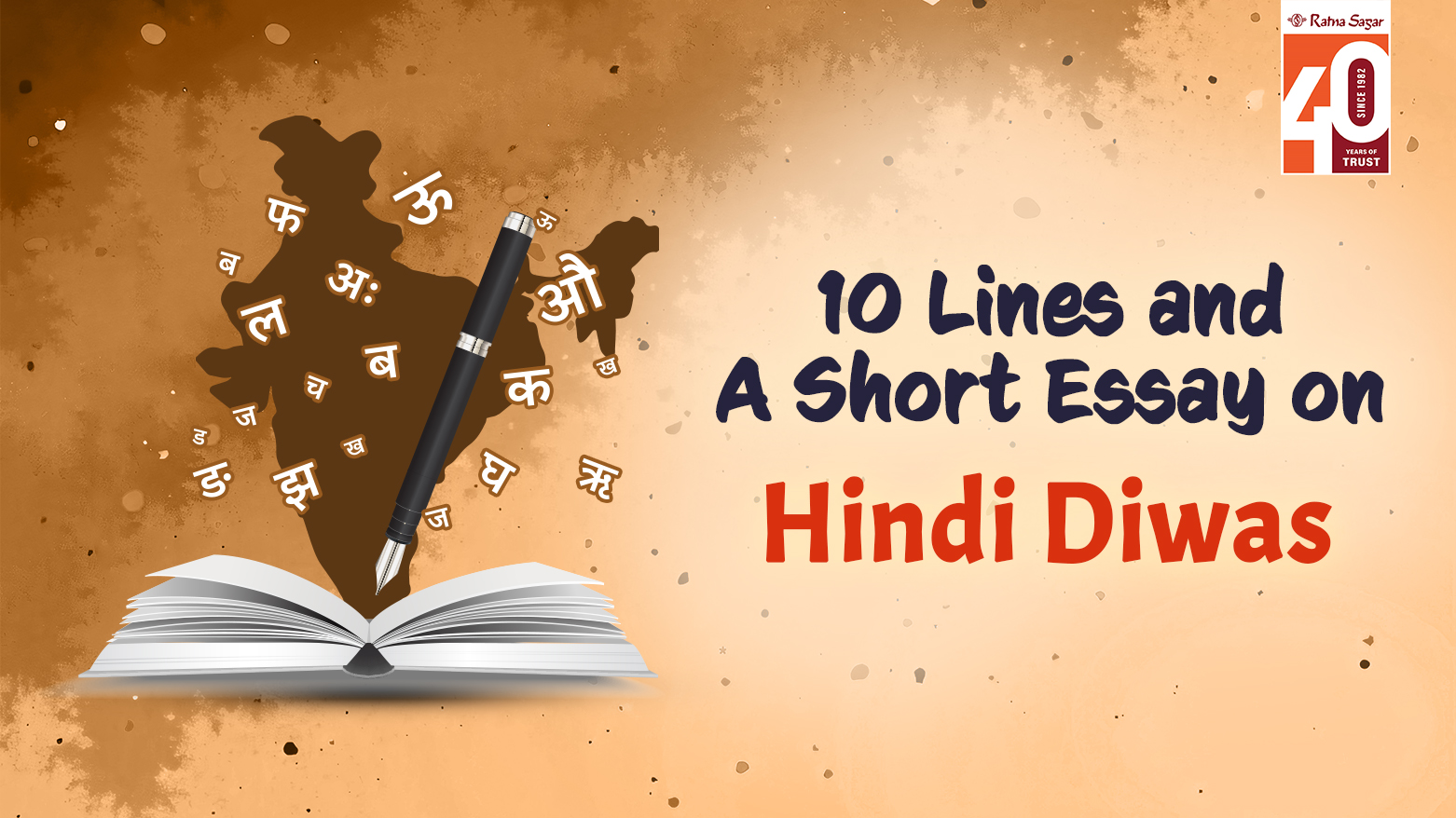
10 Lines and A Short Essay on Hindi Diwas
Hindi Diwas, celebrated every year on September 14th, is more than just a date on the calendar. It’s a day to honor a language that is the soul of India, a bridge connecting people from diverse cultures and regions. As we delve into the significance of this day, we'll explore its history, its role in national identity, and its enduring relevance in the modern world. This blog provides a comprehensive look at the topic, featuring 10 Lines and importance on Hindi Diwas.
Why is Hindi Diwas so Important?
On September 14, 1949, the Constituent Assembly of India made a historic decision: to adopt Hindi, written in the Devanagari script, as one of the official languages of the newly independent nation. This momentous event aimed to foster national integration and promote a sense of unity among a population with vast linguistic diversity. The first official Hindi Diwas was celebrated in 1953, and since then, it has become an annual tradition to remind us of the language's cultural and historical value.
The significance of Hindi Diwas extends beyond its historical context. It serves as a powerful reminder of our rich linguistic heritage and the importance of preserving it for future generations. In an increasingly globalized world, where English often dominates, celebrating Hindi Diwas encourages us to take pride in our mother tongue and use it in our daily lives, schools, and offices.
10 Lines and A Short Essay on Hindi Diwas
To make the topic accessible and easy to digest, we present two formats: a quick-fire list of 10 key points and a more detailed short essay. This dual approach caters from students looking for a quick reference to readers seeking a more in-depth understanding.
10 Lines on Hindi Diwas
Hindi Diwas is celebrated annually on September 14th.
It commemorates the day Hindi was adopted as an official language of India in 1949.
The language is written in the Devanagari script.
The decision was made by the Constituent Assembly of India.
Hindi is one of the most widely spoken languages in India.
The day promotes national unity and cultural pride.
Schools and colleges organize various events like debates, poetry recitation, and essay writing competitions.
It reminds us to respect and promote our national language.
Hindi has a rich literary history with great poets and writers like Tulsidas and Premchand.
The celebration aims to encourage the use and preservation of Hindi in our daily lives.
More about Hindi Diwas
Hindi Diwas is a significant day celebrated across India on September 14th to commemorate the adoption of Hindi as an official language. This day marks the historic decision made by the Constituent Assembly of India on September 14, 1949, when Hindi, in the Devanagari script, was recognized as one of the two official languages of the Union. The purpose of this declaration was to unify a nation with a multitude of languages and dialects, providing a common thread to connect people from different regions.
The celebration of Hindi Diwas serves as a vital reminder of our cultural identity and national pride. It is an occasion to honor the immense contribution of Hindi to our nation's history, literature, and culture. From the ancient epics to the modern-day novels, Hindi has a rich and captivating literary heritage that has shaped the thoughts and emotions of generations.
In today’s world, Hindi Diwas holds even greater importance. As globalization and technology continue to influence our lives, there is a risk of losing touch with our linguistic roots. By celebrating this day, we not only pay tribute to a language but also reaffirm our commitment to its preservation and promotion. Schools, government offices, and various organizations conduct a wide range of activities such as Hindi speech competitions, poetry recitations, and workshops to spread awareness and encourage the younger generation to embrace the beauty and power of their language.
Hindi is not just a medium of communication; it is a symbol of our unity in diversity. It acts as a bridge, fostering understanding and strengthening the bond among people across the country. As we observe this day, let us all pledge to use, respect, and promote the Hindi language, ensuring that it continues to thrive and enrich our lives for centuries to come. The celebration of 10 Lines and A Short Essay on Hindi Diwas is a simple yet effective way to spread this message and keep the spirit of our language alive.
Recent Posts
R K Narayan Birth Anniversary: Malgudi, Books & Legacy
06/10/2026
Gandhi Jayanti: Truth, Non-Violence and Its Relevance Today
01/10/2026
Earth and Its Shapes: Facts for Kids | Classes 2–4
24/09/2026
International Sign Language Day: 10 Lines & Short Essay
18/09/2026
Engineer's Day: 10 Lines, Short Essay & Facts About Sir M. Visvesvaraya
14/09/2026